
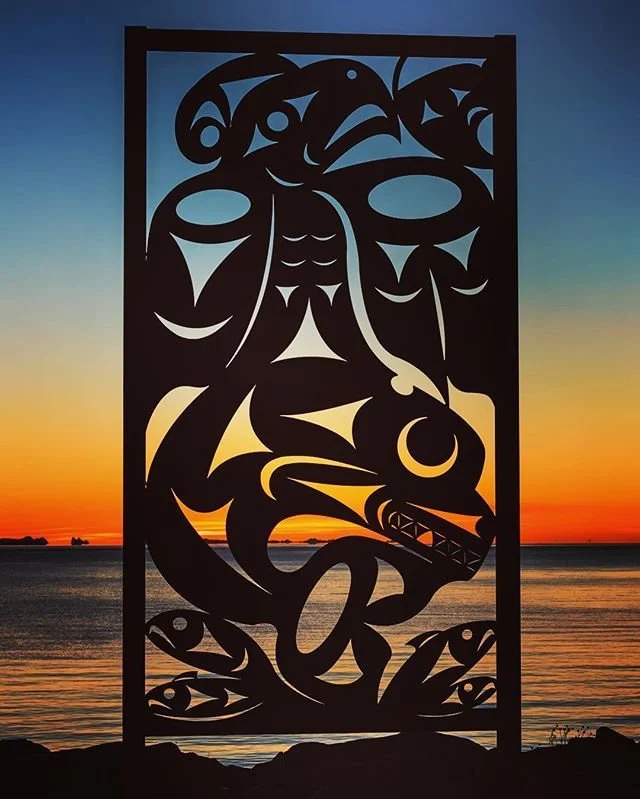
Our Siblings
All my relatives.
Every living creature
Every bird that flies
Every fish that swims
Every animal that walks the earth:
In the great family of Spirit
The spirals of kinship
Weave us all into relationship
Mutual, caring, connected.
Since all that Spirit does is done in love
All that Spirit created was created in love.
There are no orphans left standing alone
For all are embraced by the compassion
Of a common Creator.
How well we treat our siblings
Is how well we honor our Maker.
-Steven Charleston
"Spirit Wheel: Meditations of an Indigenous Elder"
On this Indigenous Peoples Day may you live in a way that allows all of our siblings be treated with respect.
Noisy Offering for Echoes
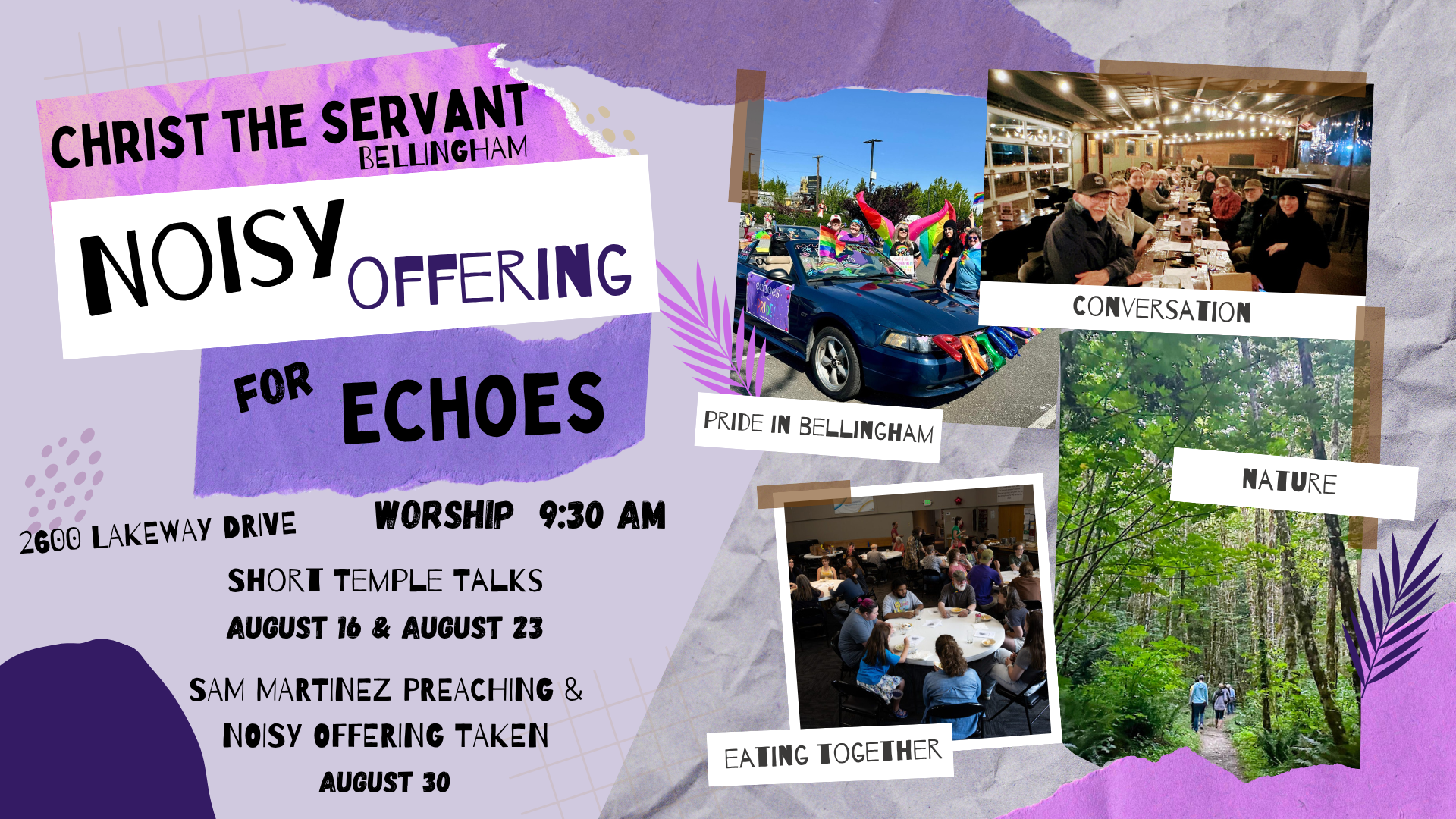
CTS Community Partner Noisy Offering for Echoes August 30!
This August 8/30, Christ the Servant in Bellingham took a Noisy Offering for Echoes!
Two Sundays in August at the 9:30am Worship, members of Echoes gave brief "Temple Talks" on what Echoes means to them and why it matters. Sam also gave the sermon on August 30th and gave a lovely shout out to Echoes.
Watch Pastor Muriel’s Children Sermon
Thank you to everyone who helped this noisy offering come together so Echoes can continue to spread the love and message of welcome to Bellingham and beyond!
Come and Support Echoes & Christ the Servant!
Christ the Servant - Sunday Worship @ 9:30am
2600 Lakeway Drive, Bellingham, WA 98225
Blessing for Pride
Blessed are you in the joyful, sometimes exhausting work
of simply being yourself
For every time you were told your identity was a debate, a condition,
or a problem to be solved, may you hear the steady, undeniable voice
of the Divine saying:
“You are my beloved.”
May you know, deep in your bones,
that God does not need you to edit your soul
or shrink your spirit to fit into the margins.
You are held by a Creator who is wildly obsessed with you
—exactly as you are right now, in all your brilliant complexity,
and exactly as the beautiful person you are still bravely becoming.
You are not a rough draft.
You are a masterpiece in motion.
And you are so profoundly loved.
Today and Always.
Echoes featured in an article in the Cascadia Daily News!
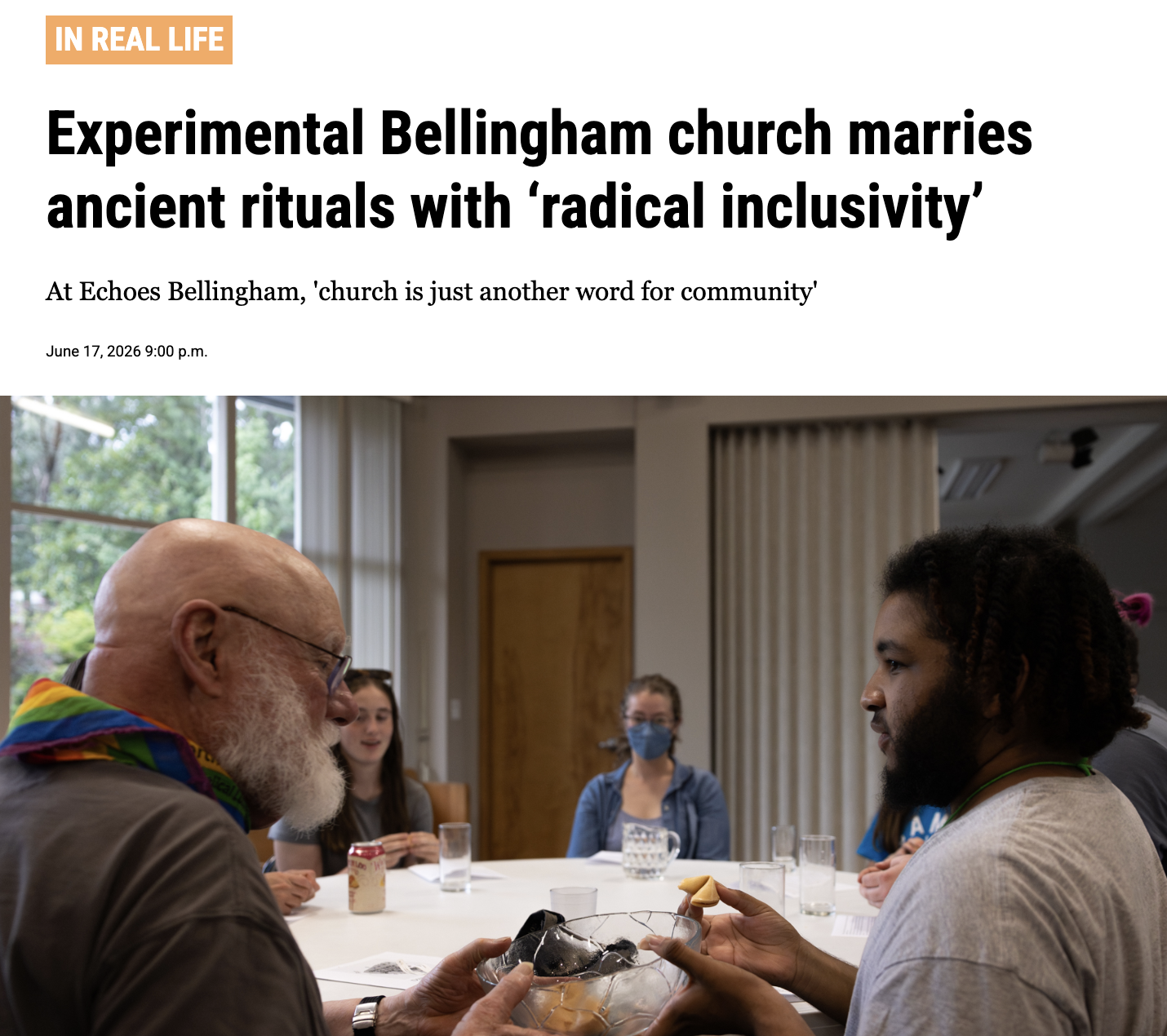
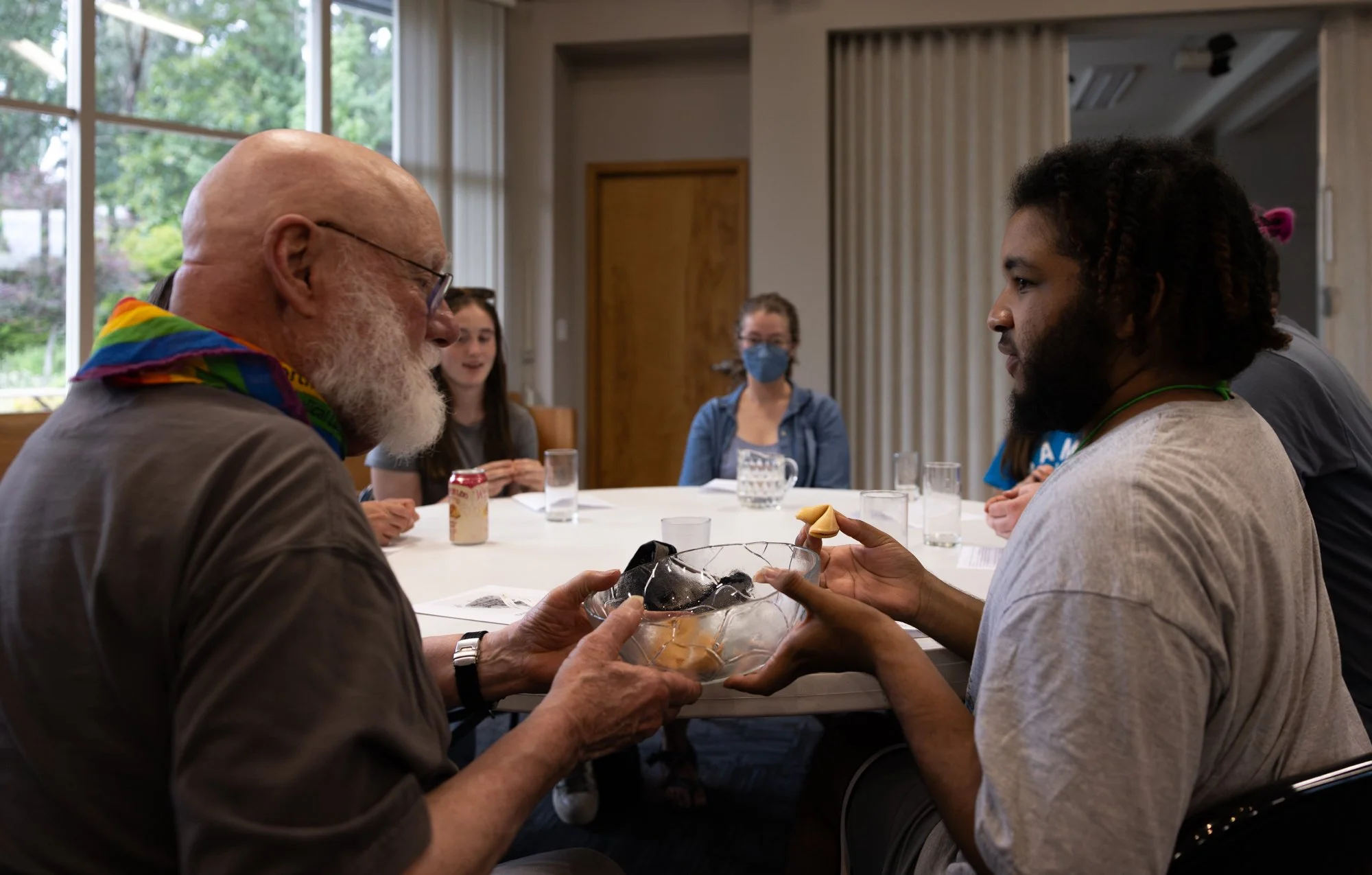
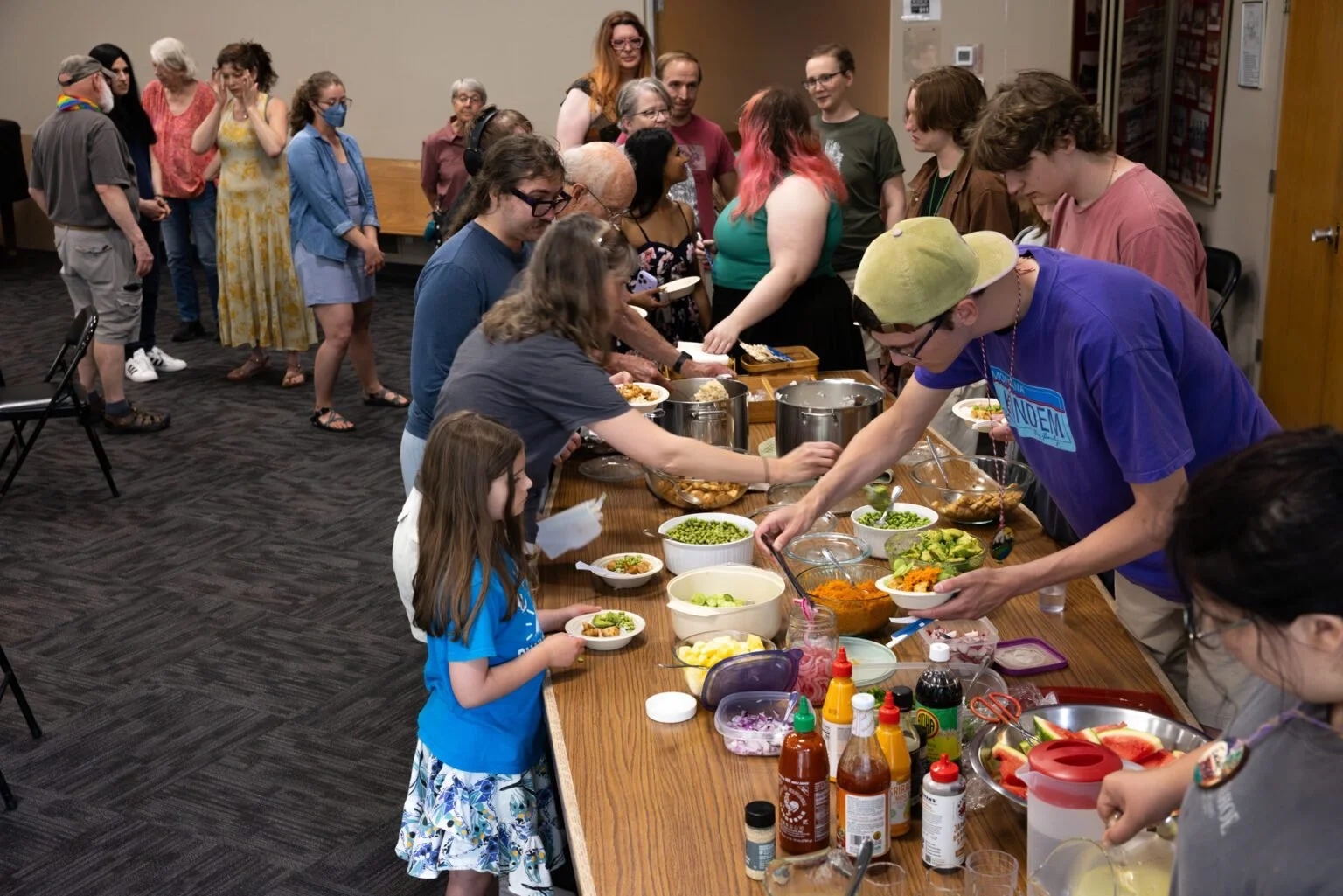
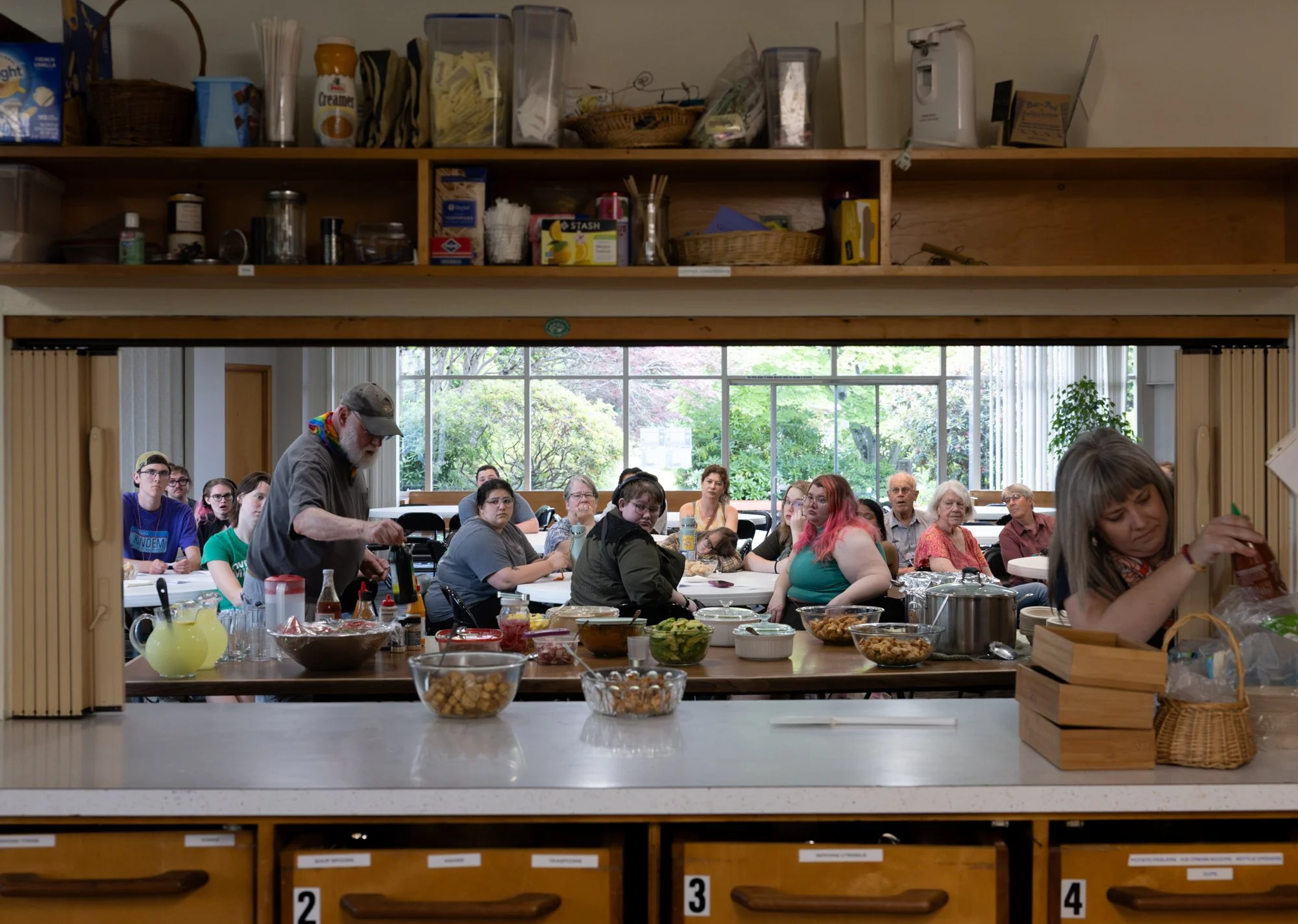
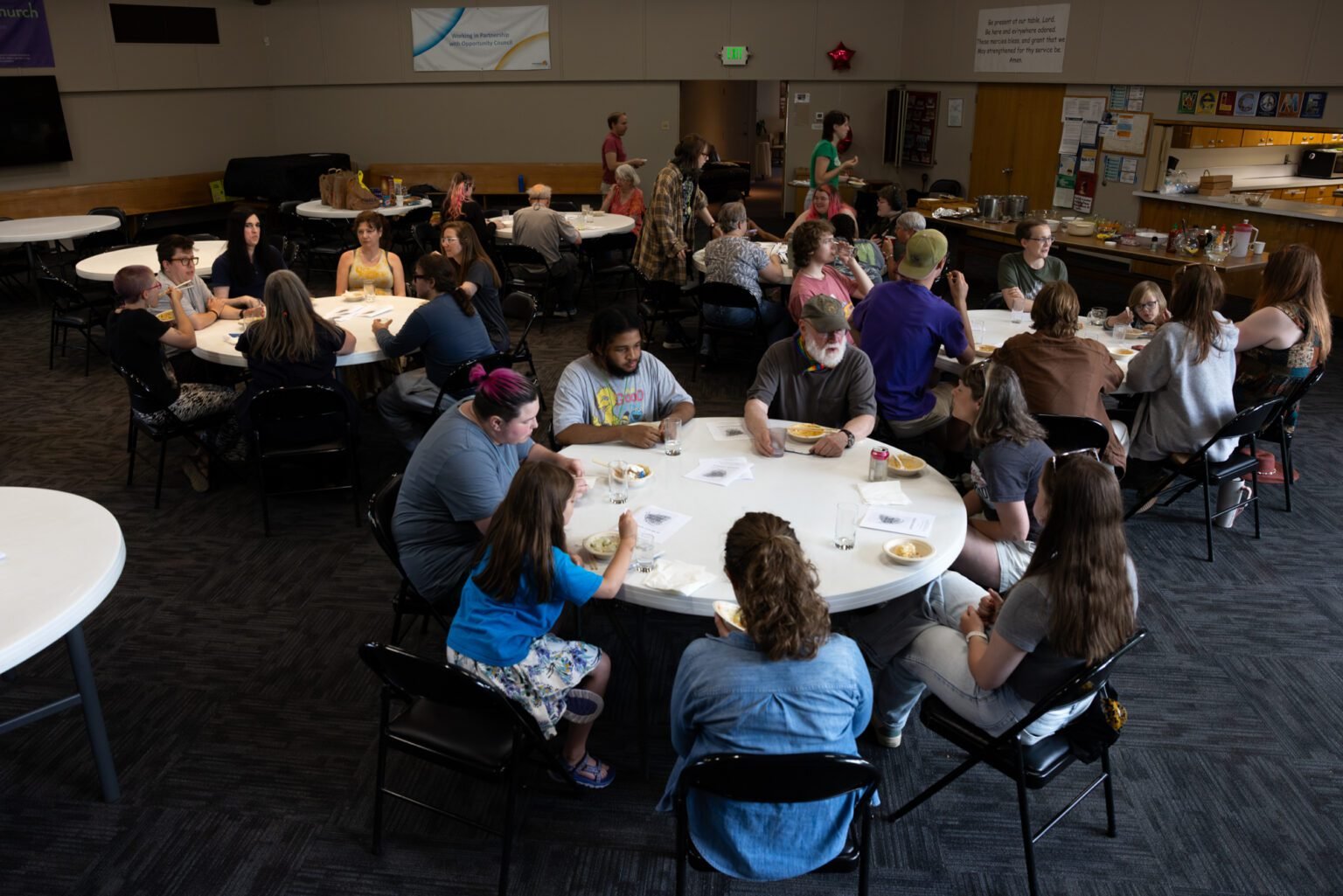
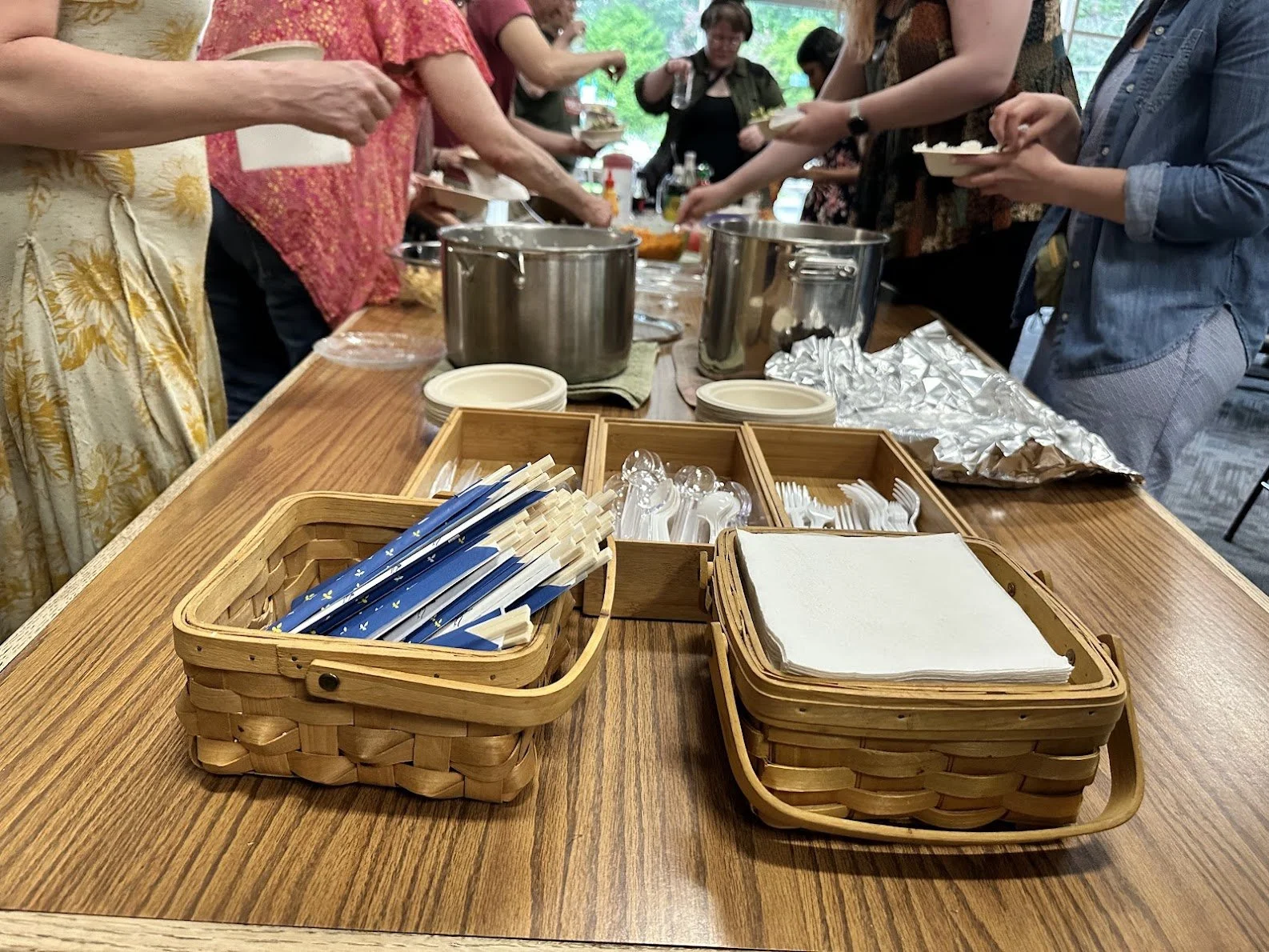
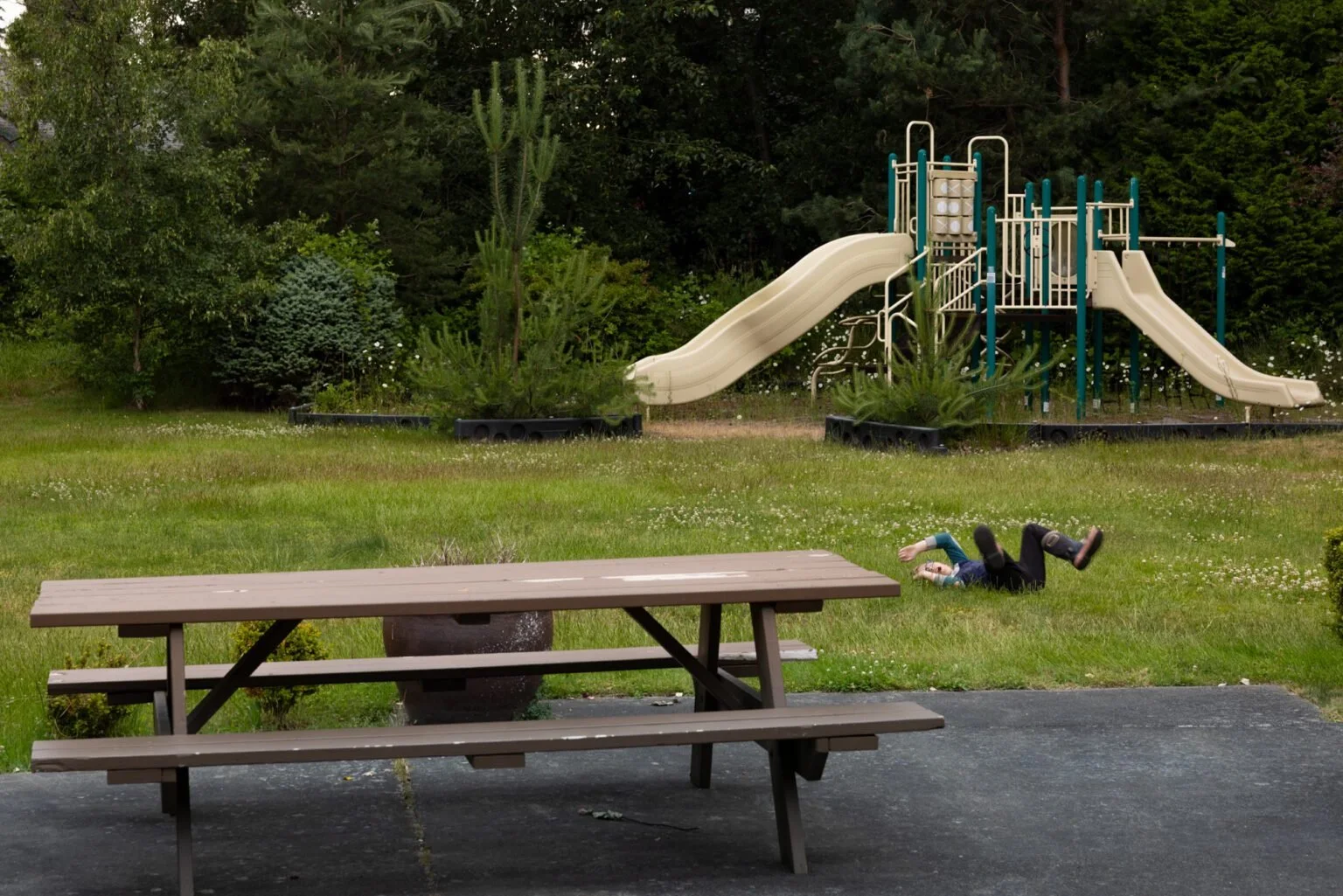
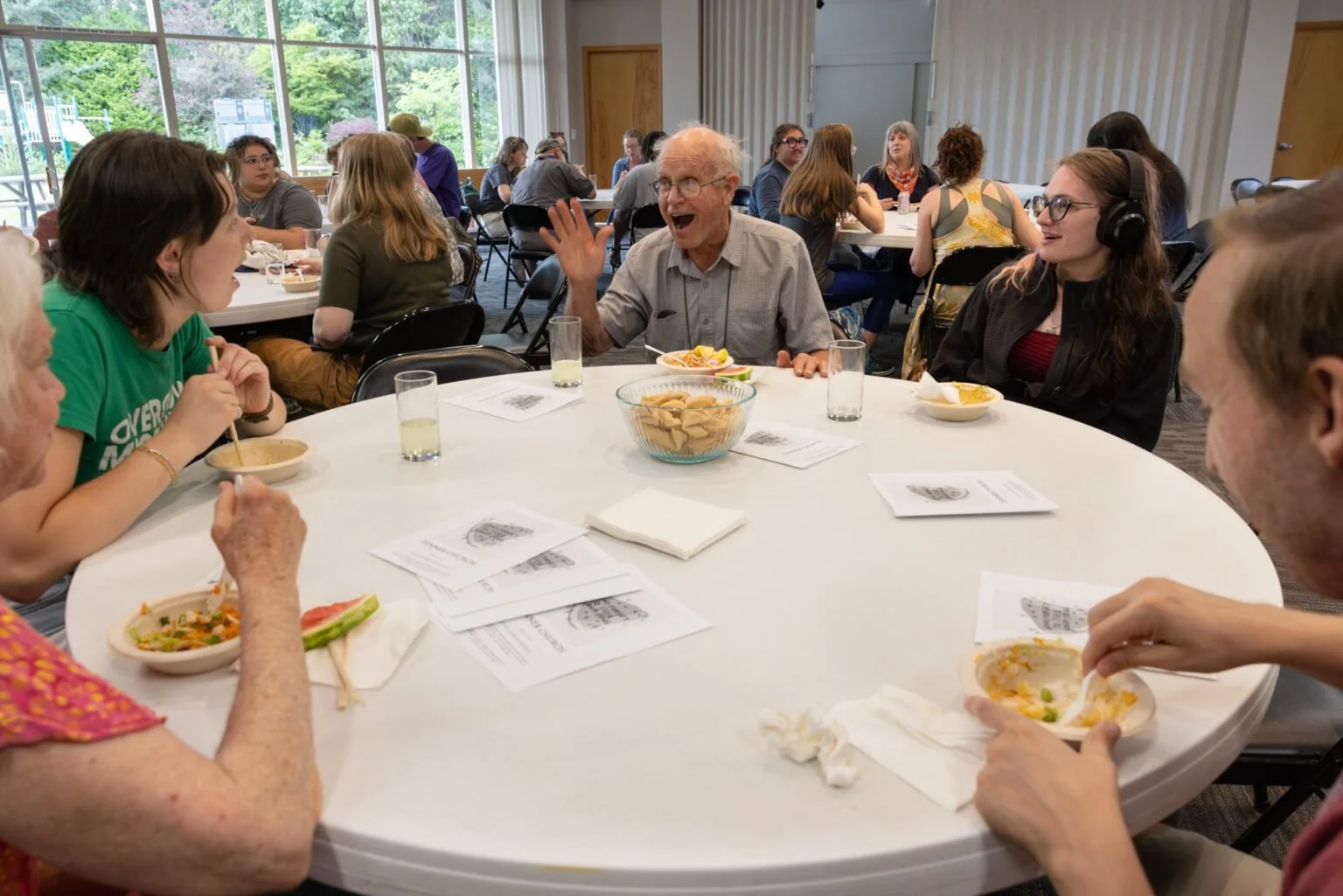
At Dinner Church in June we welcomed both Lutherwood Camp and Retreat Center and Cascadia Daily News to share in food, story and fortune cookies!
Together we spent time eating, listening, praying, laughing and more eating as we built our own bowls and blessed the staff for their summer session!
We are grateful for the capture of our communal meal and our community by our local newspaper, sharing our thanks for the journalistic work they do in our city and county!
Keep creating the community you wish to see in the world.
Showing up matters.
You Matter.
Link to the Article here: https://www.cascadiadaily.com/2026/jun/17/experimental-bellingham-church-marries-ancient-rituals-with-radical-inclusivity/
We are grateful to the Cascadia Daily News for their article on Echoes, to the writer Cocoa Laney, & photographer Santiago Ochoa, and our unique founding and connection to Bellingham, our sanctuary.
We would also welcome you any Monday for our radically inclusive gatherings!
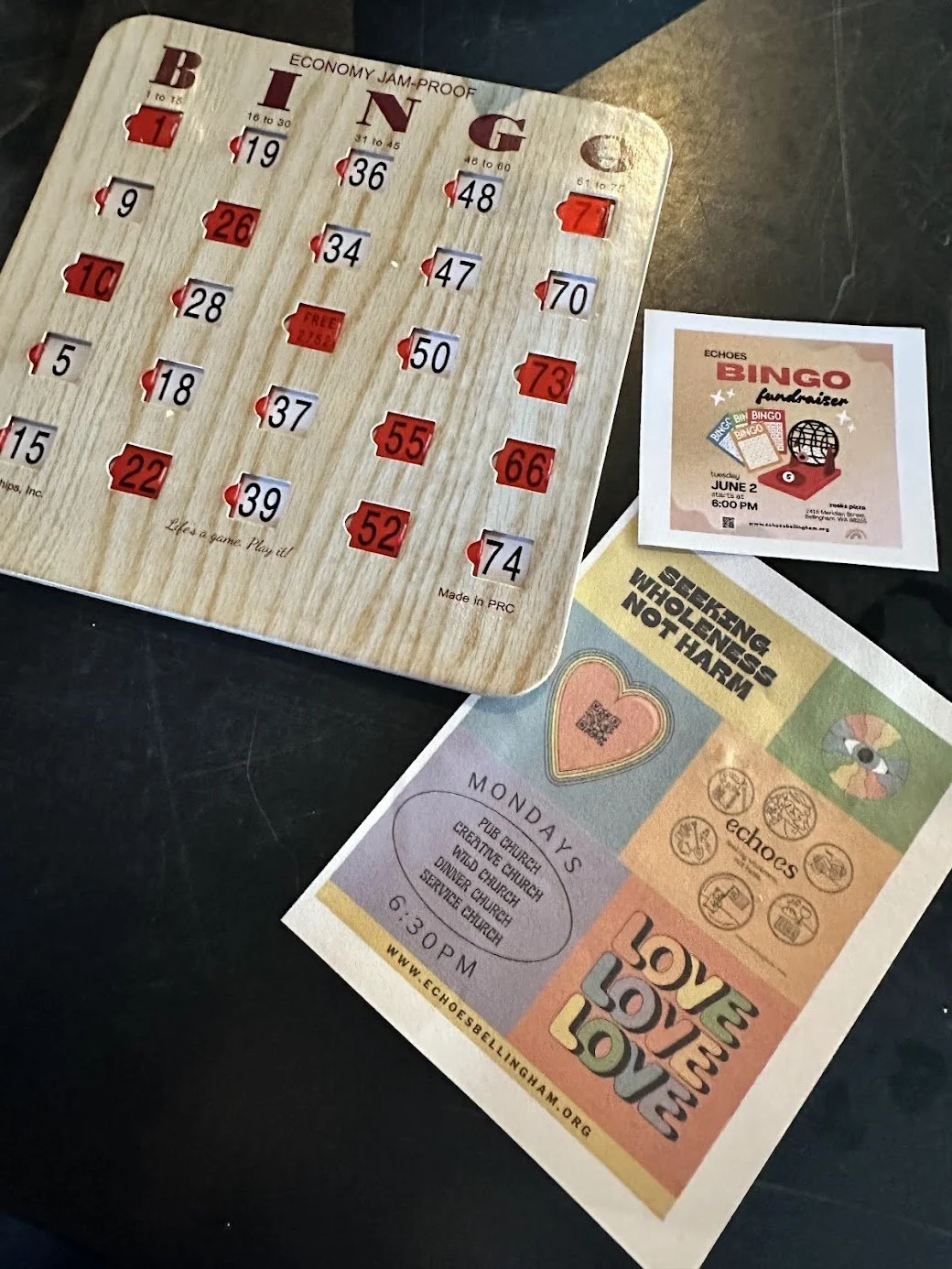
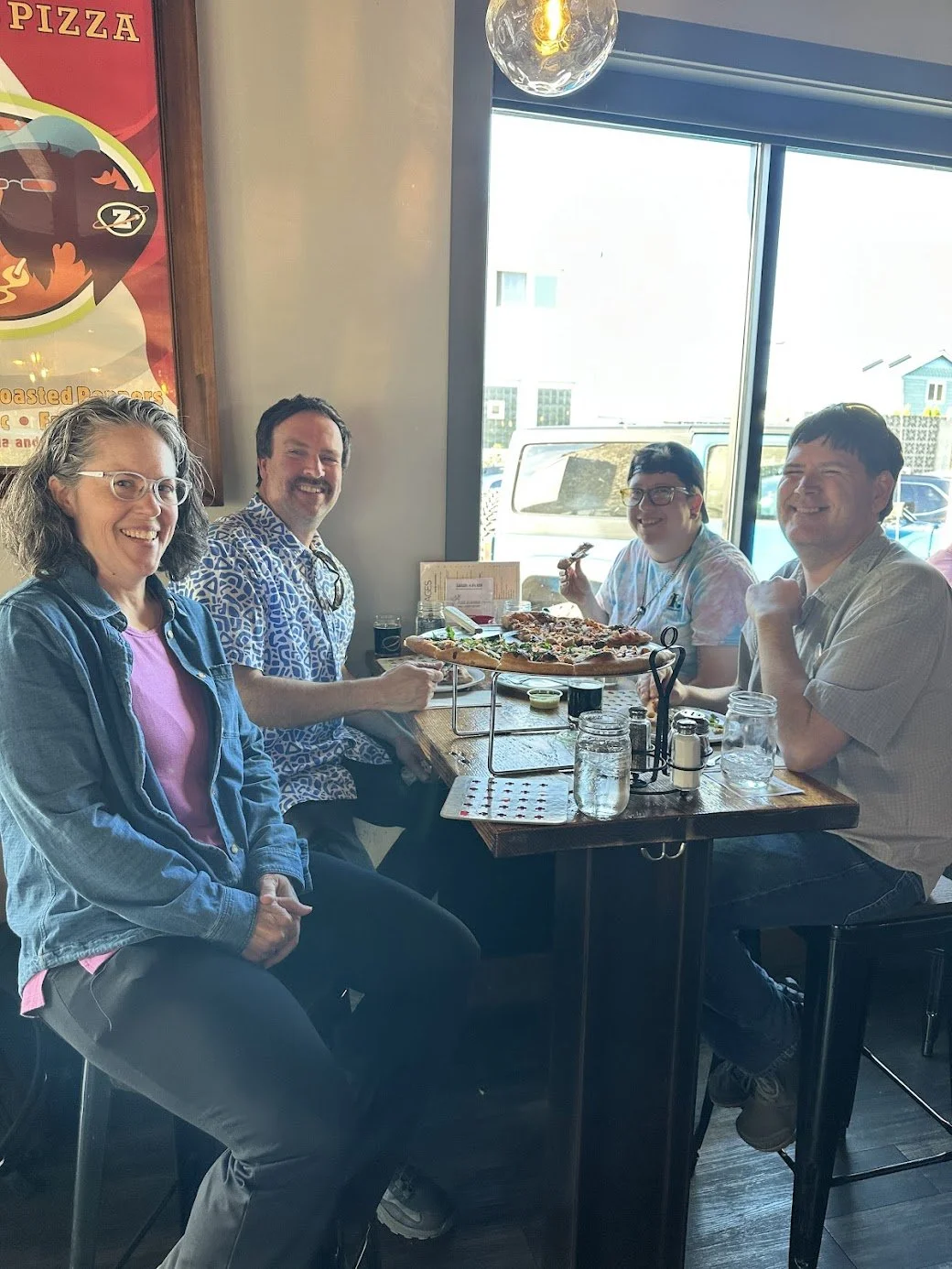
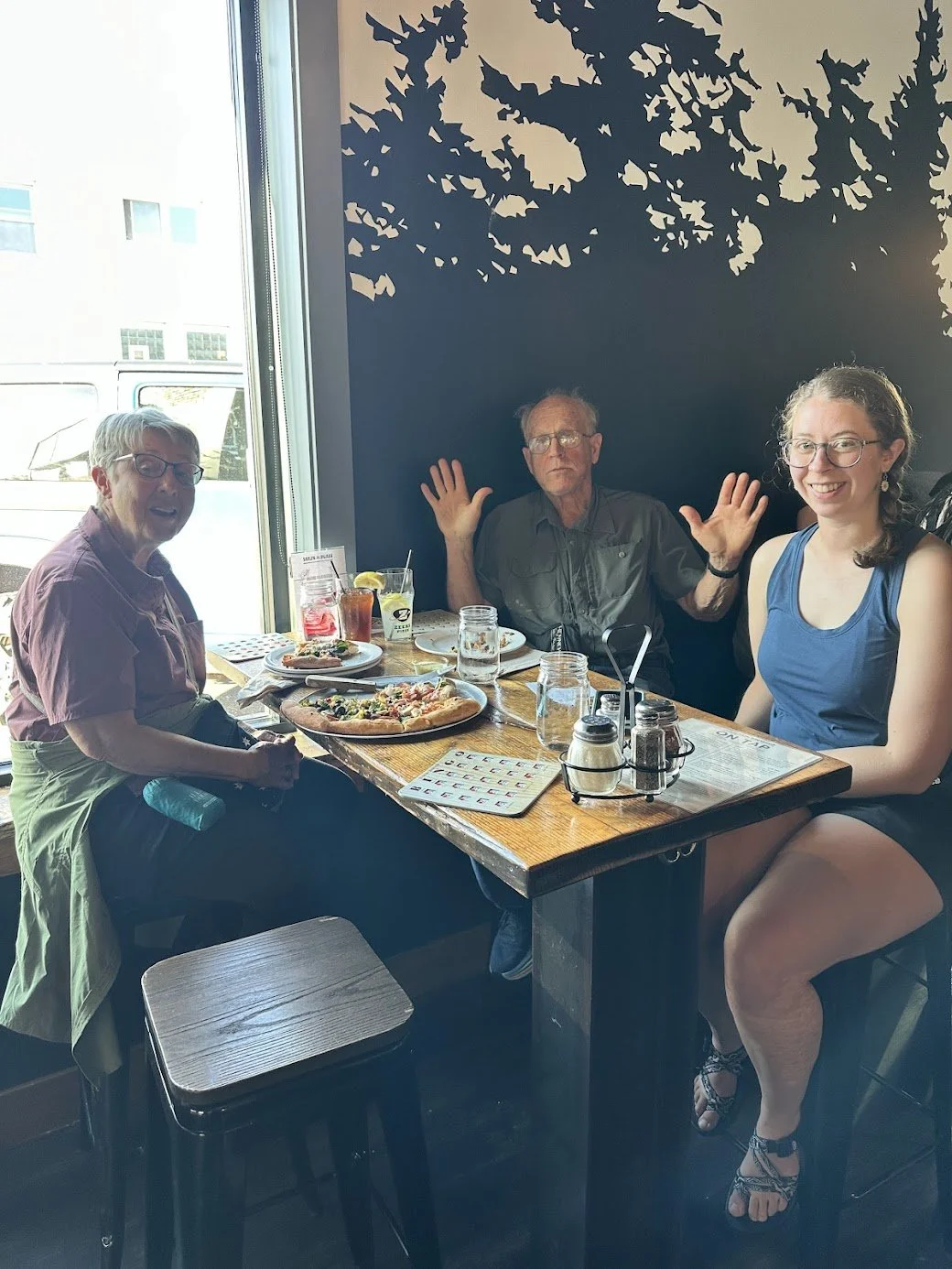
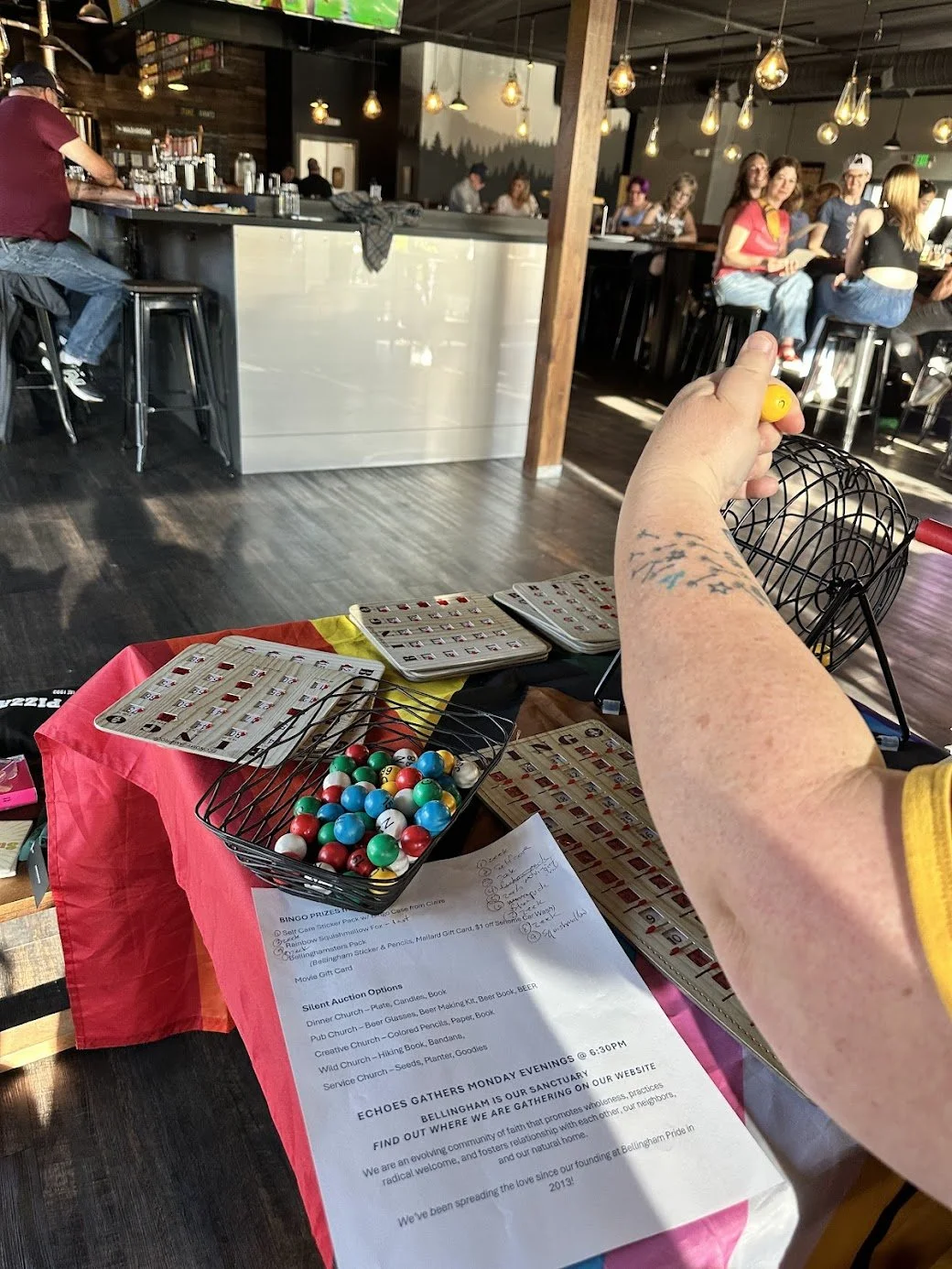
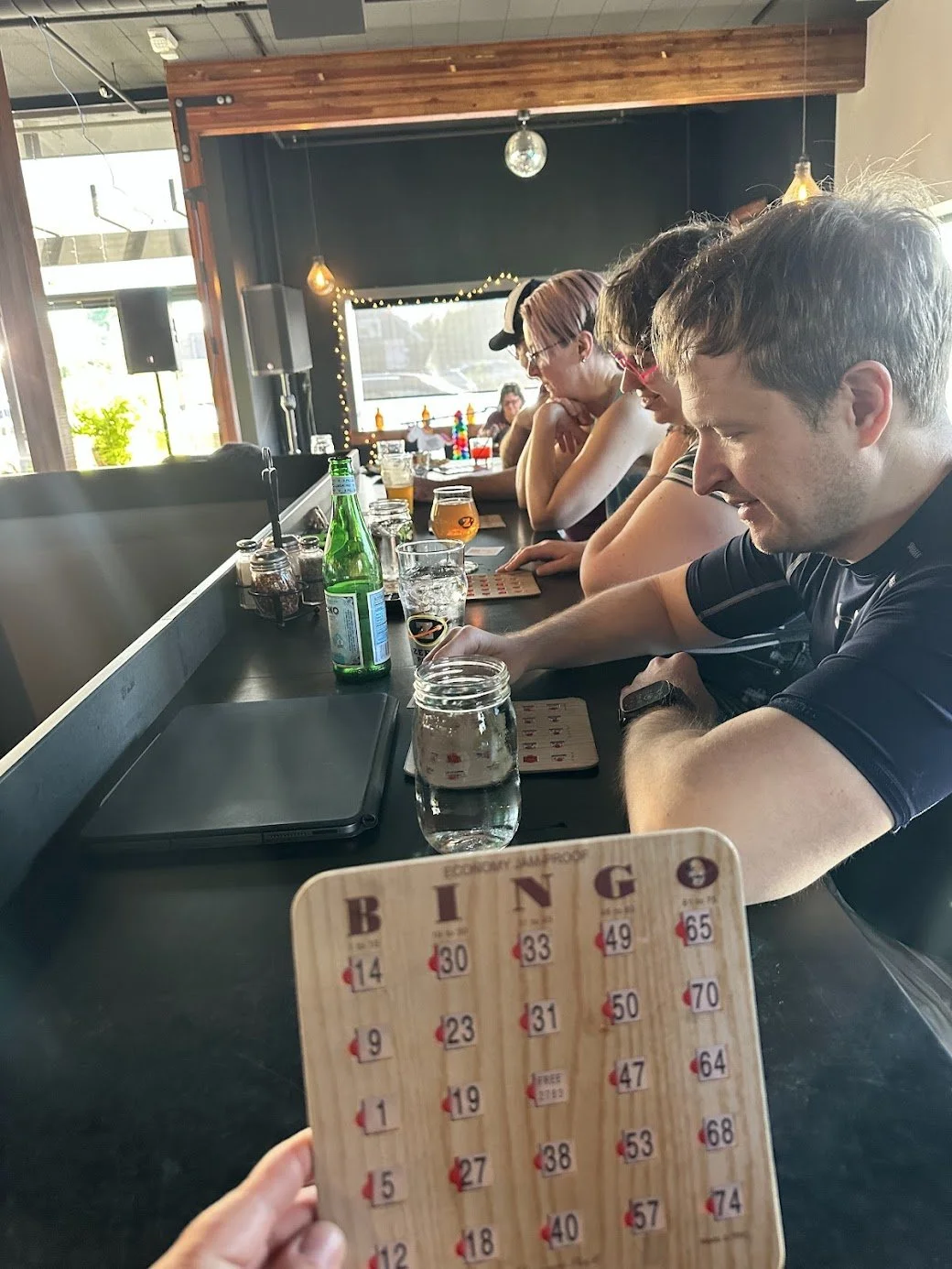
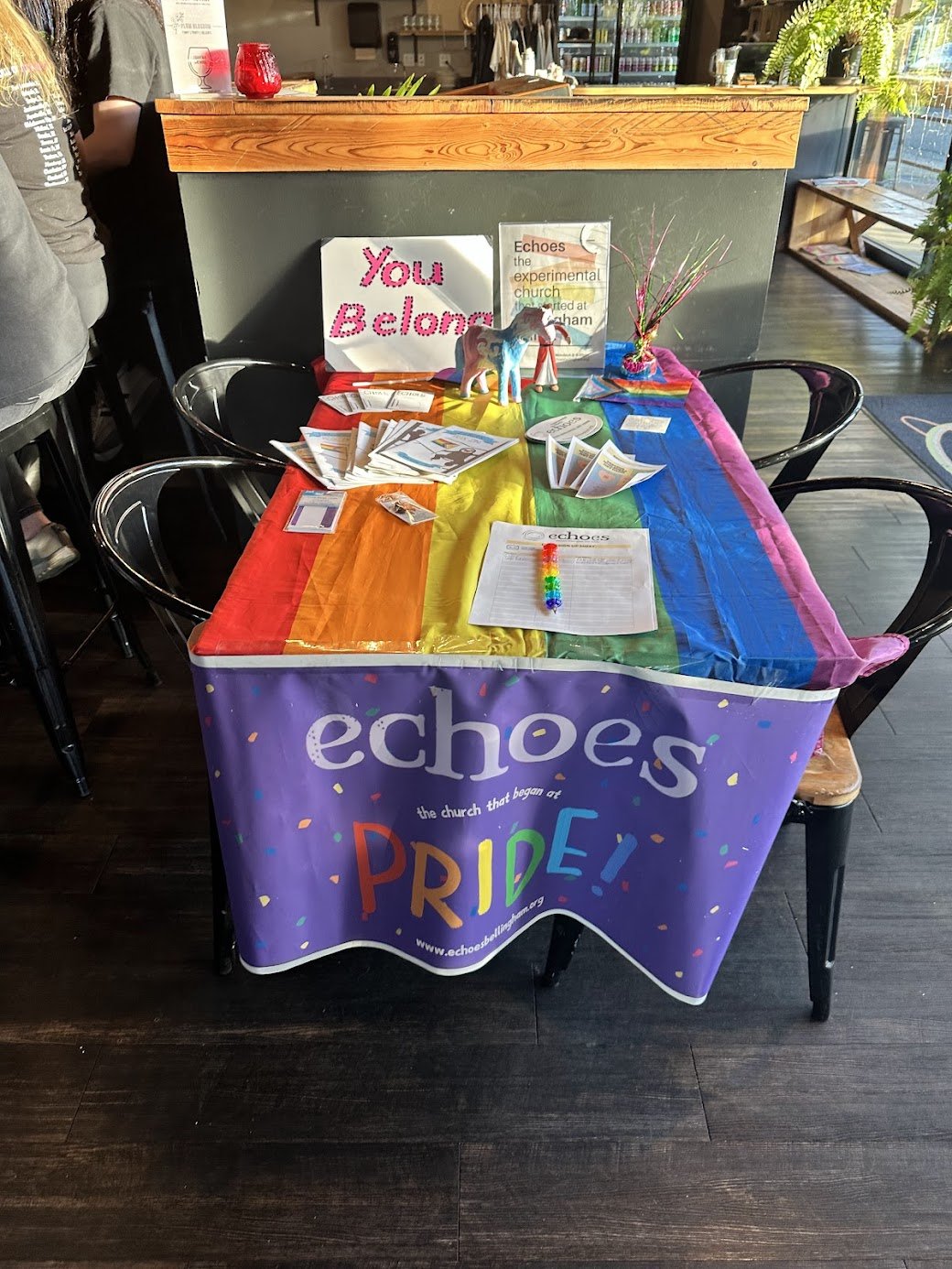
2026 BINGO Fundraiser at Zeeks Pizza!
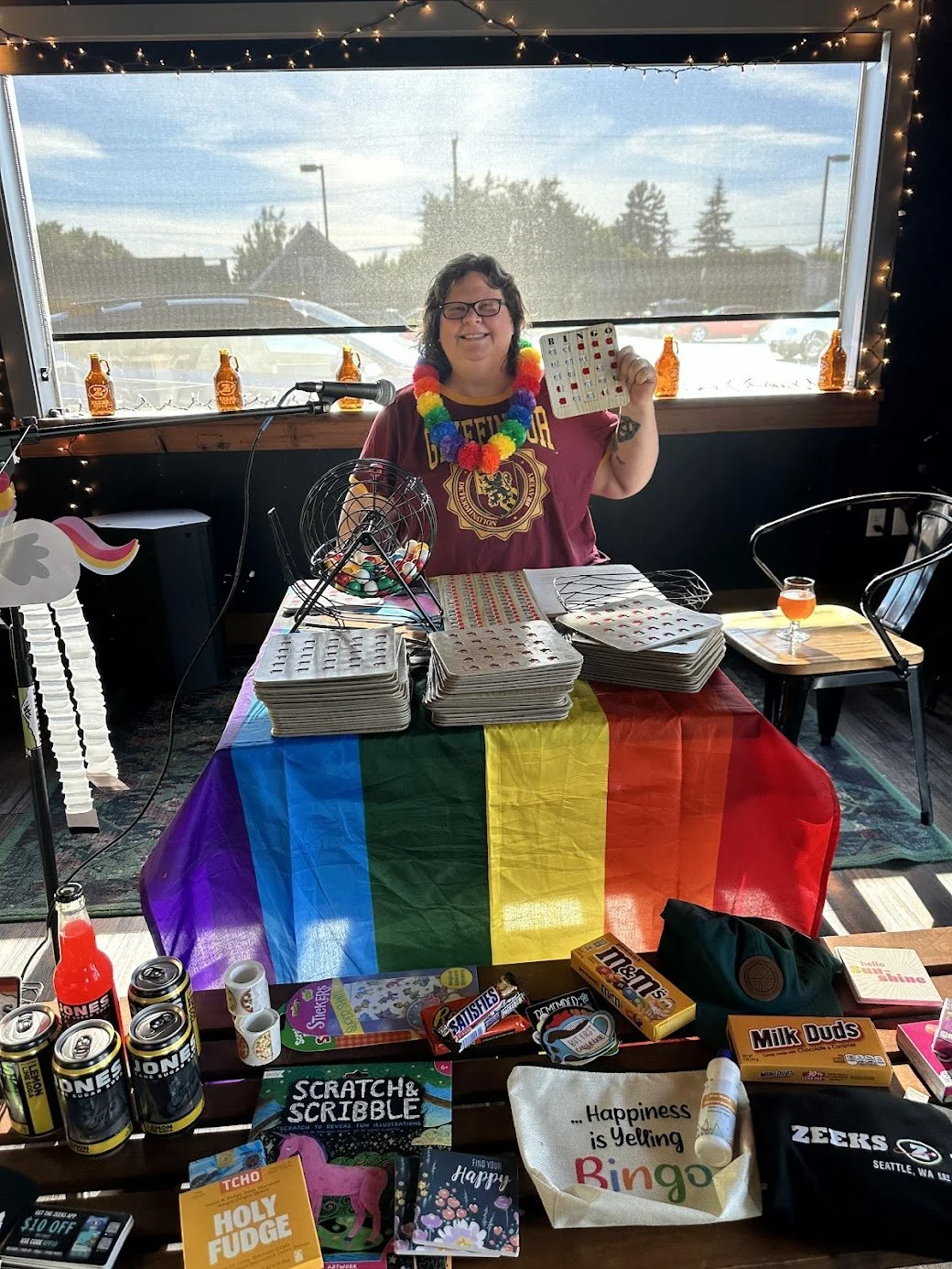
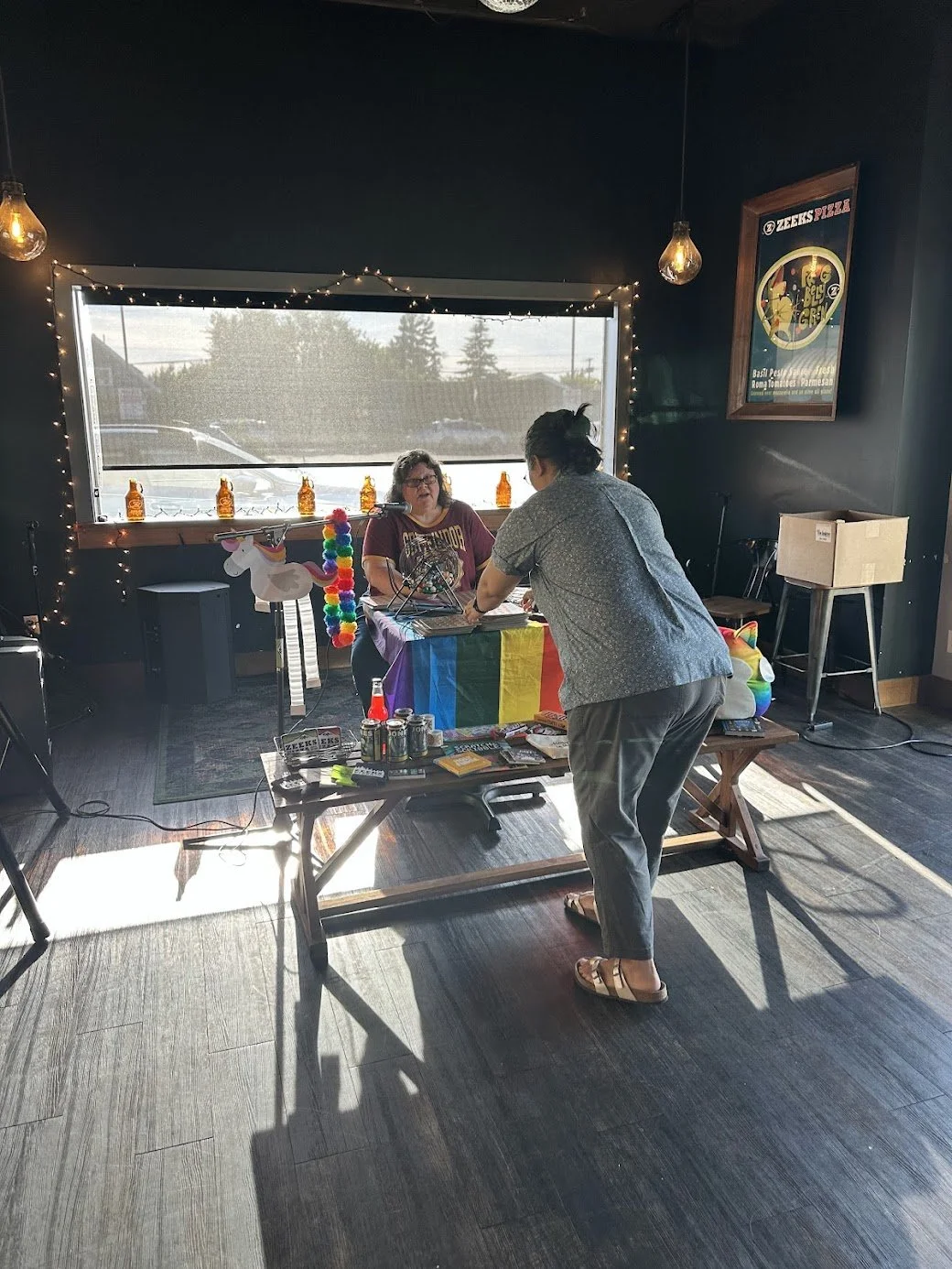
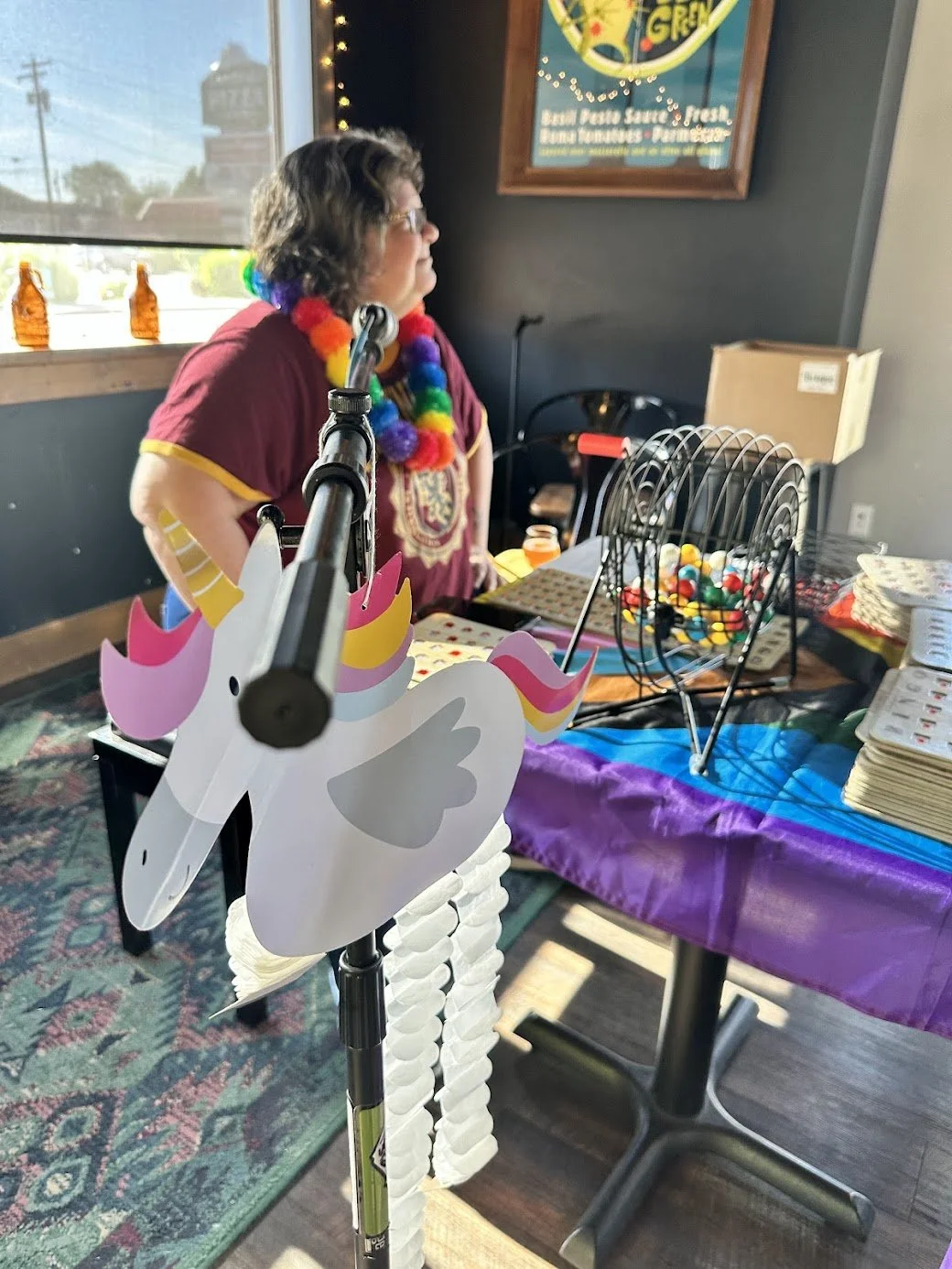
BELLINGHAM loves Bingo and so does Echoes!
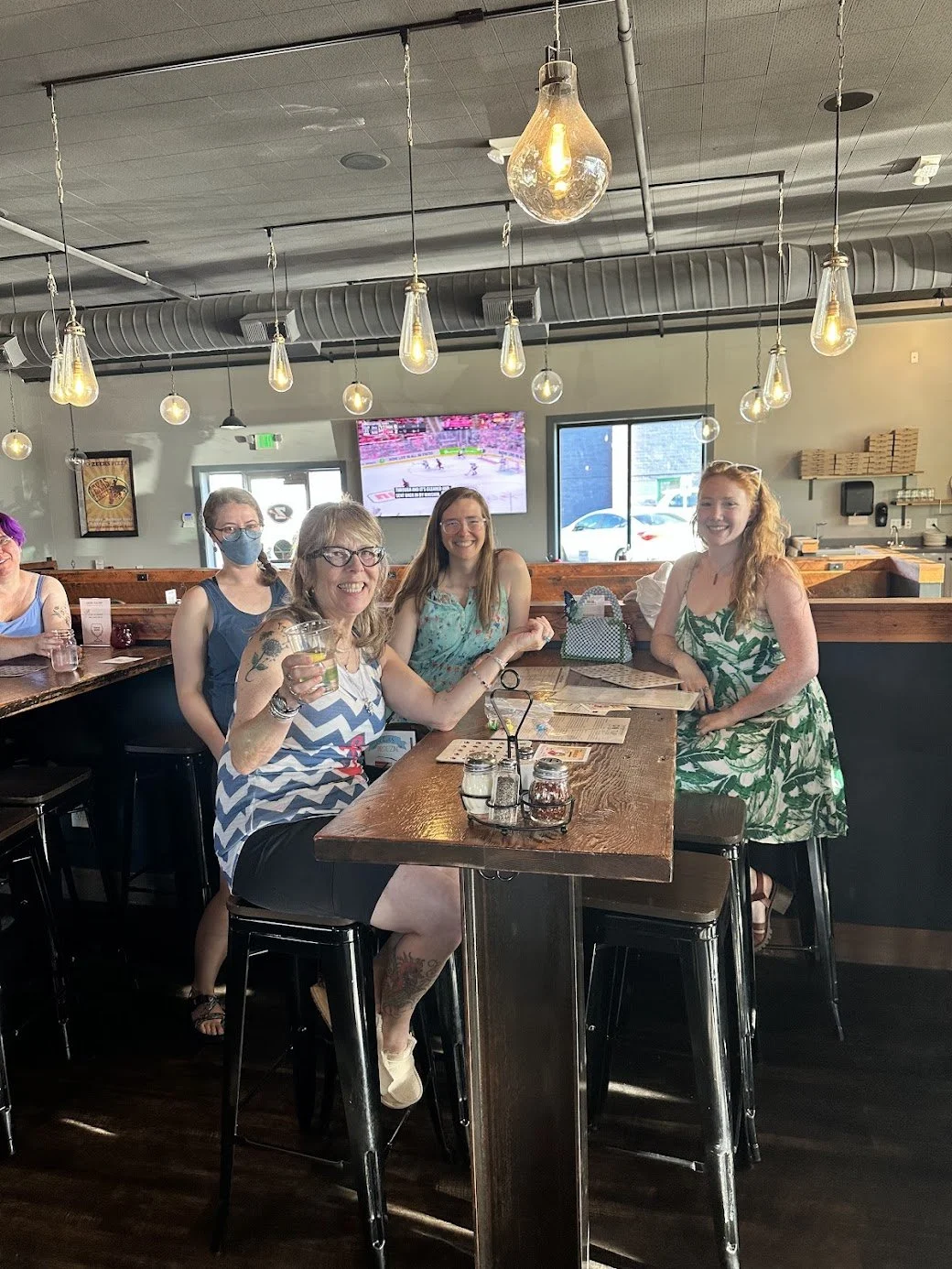
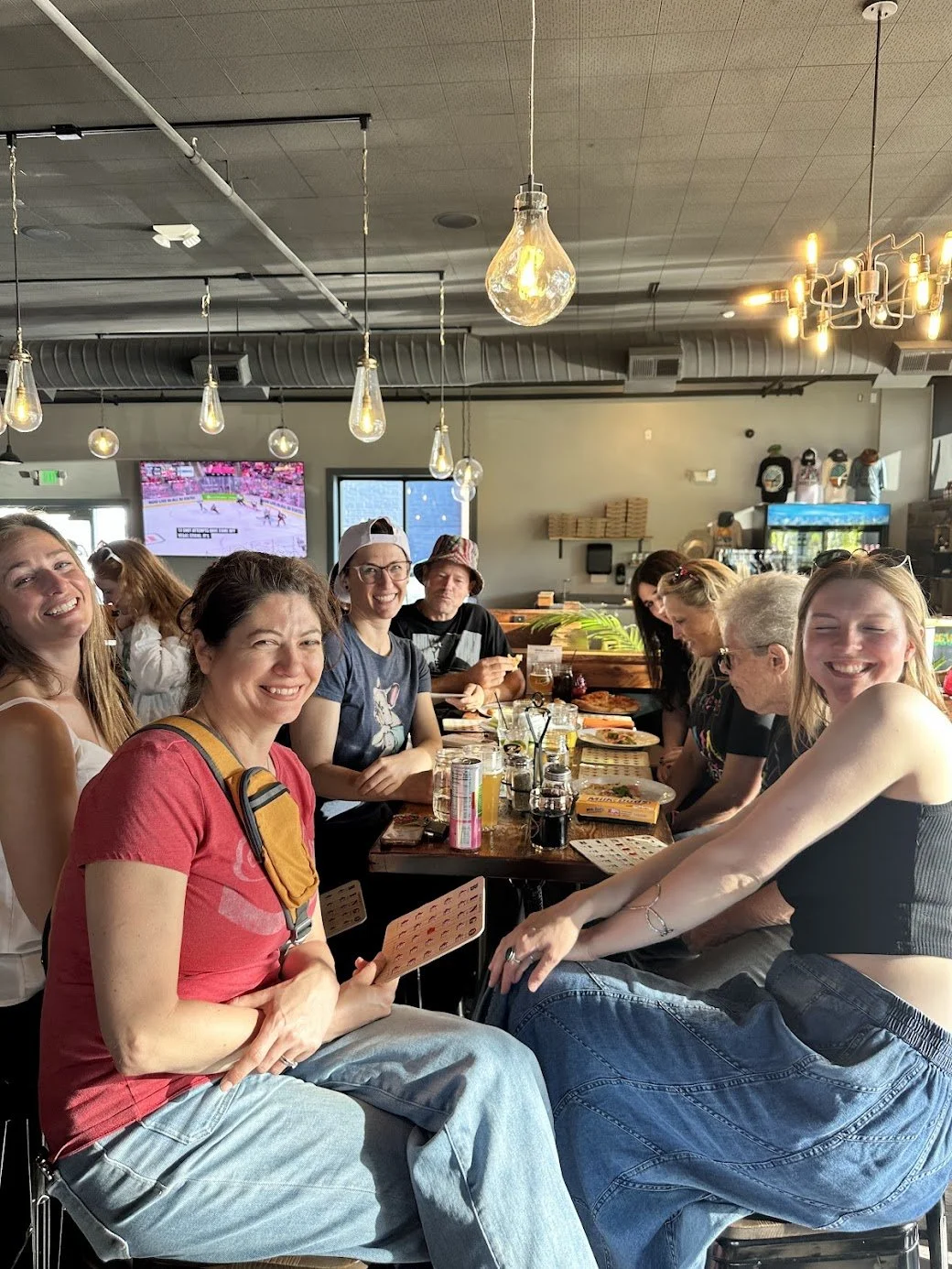
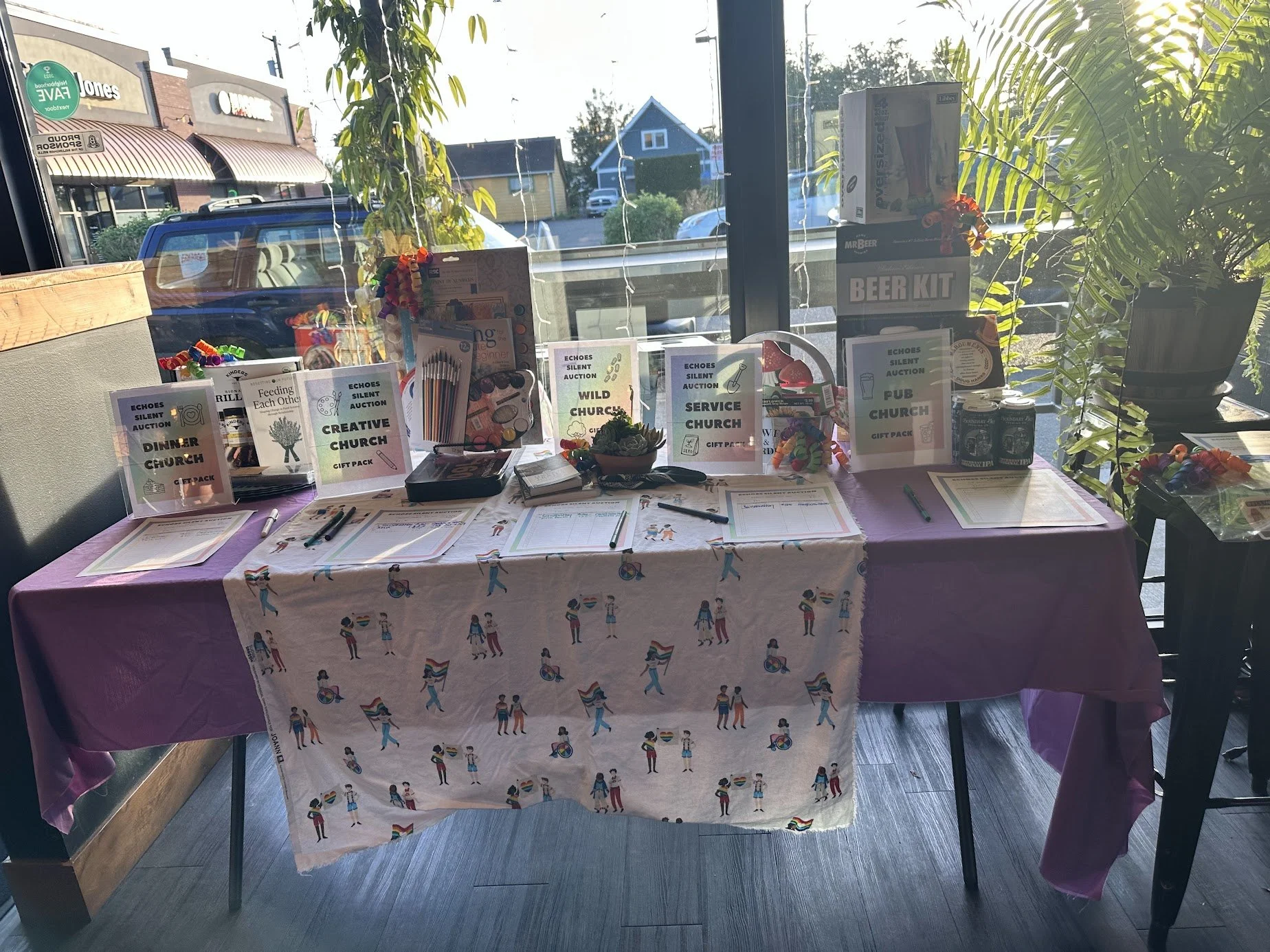
This past Tuesday you may have heard cheers, laughter and hoots echoing down Meridian Street as we raised funds and played bingo for a good cause!
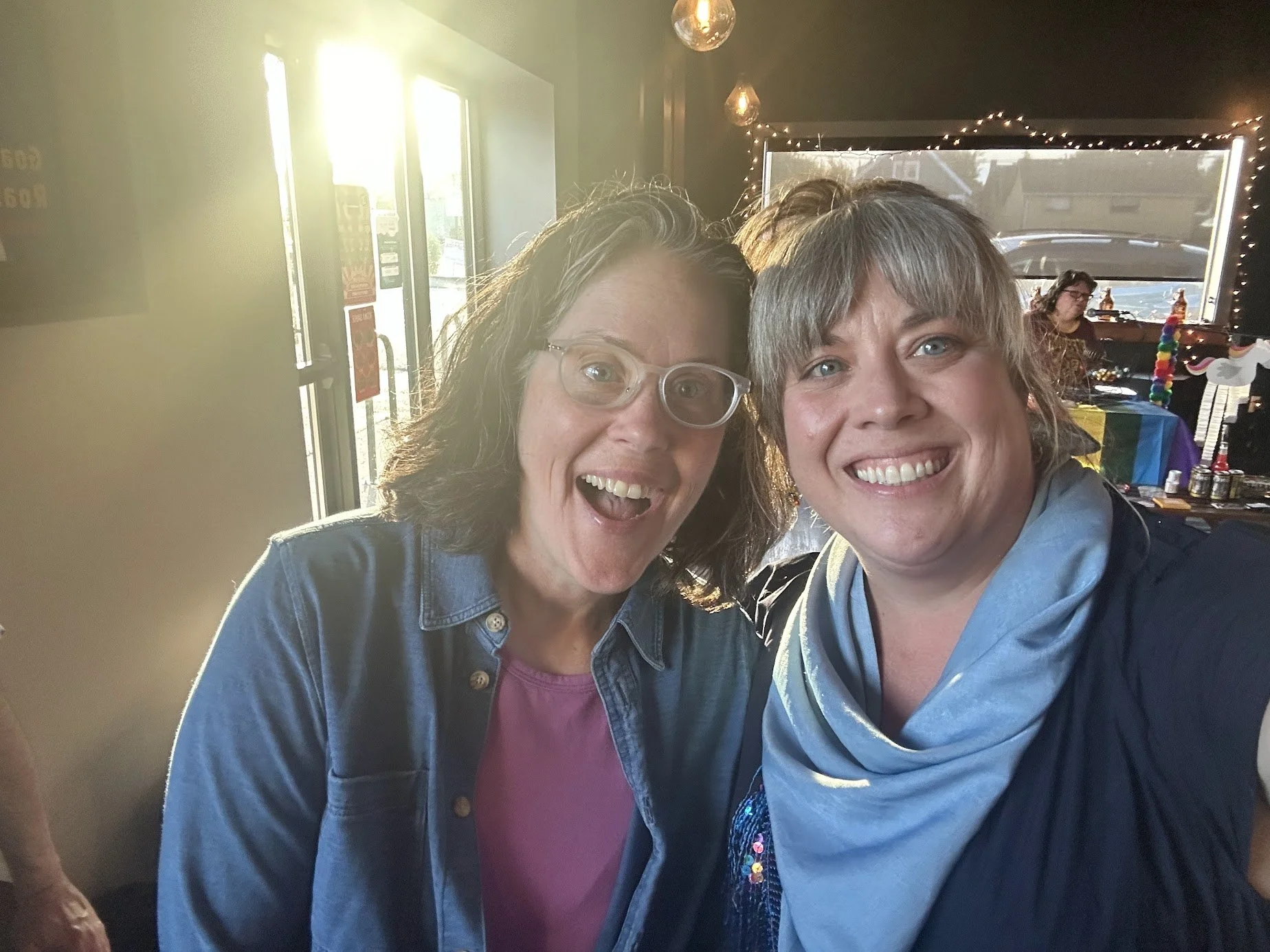
We are so grateful to EVERYONE who showed UP for our Echoes BINGO Fundraiser at Zeeks Pizza!
To everyone who shared funds, bid in the silent auction, donated items and ate pizza IN community, we share our deepest gratitude.
We couldn't have done without the community partnership of Zeeks Pizza Bellingham- Thank You!
We will continue to share the love to ALL at Pride in Bellingham this July 12th, so please join us as we work for a more inclusive world for all of our loved ones.
Easter Walk 2026
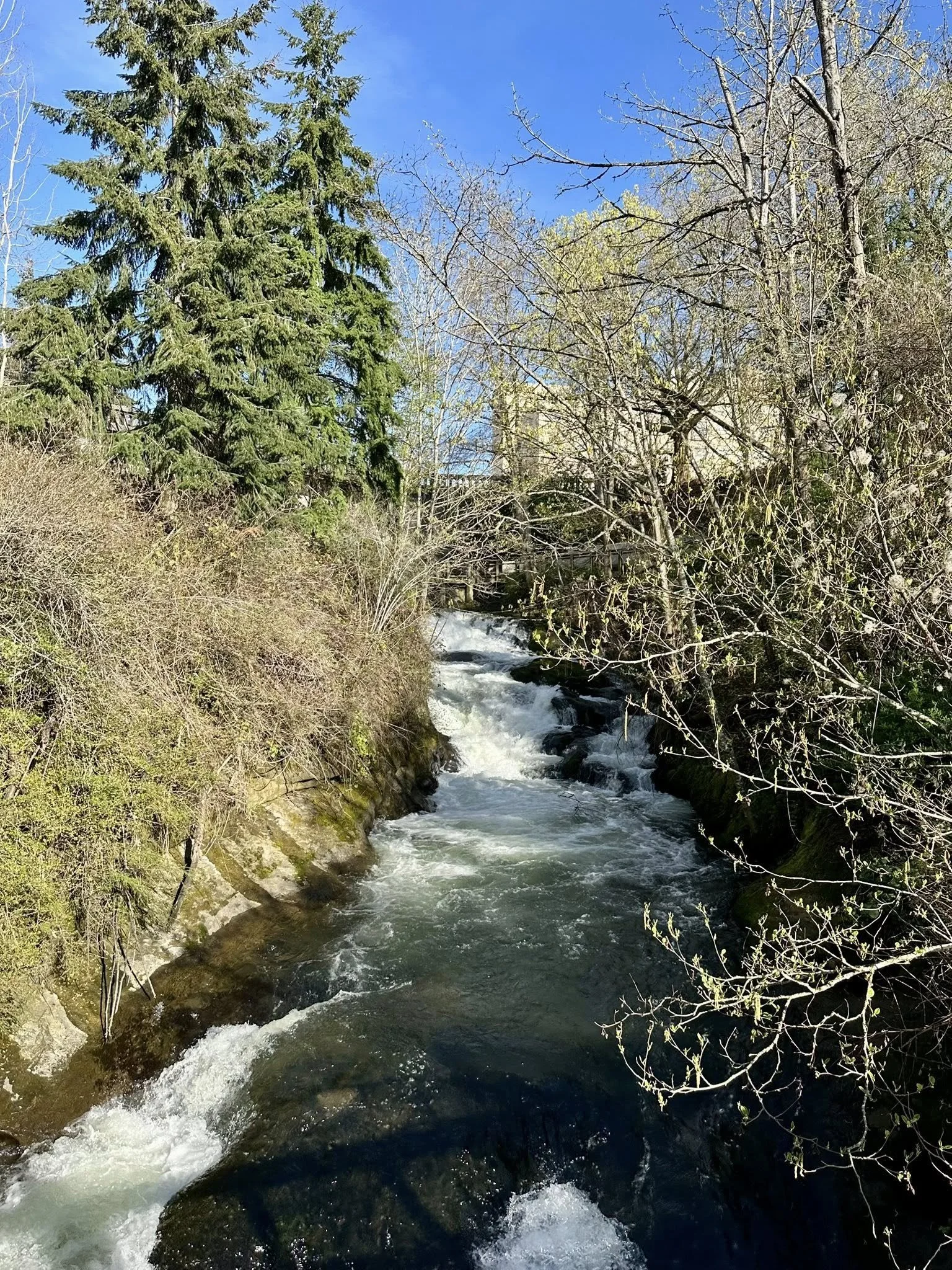
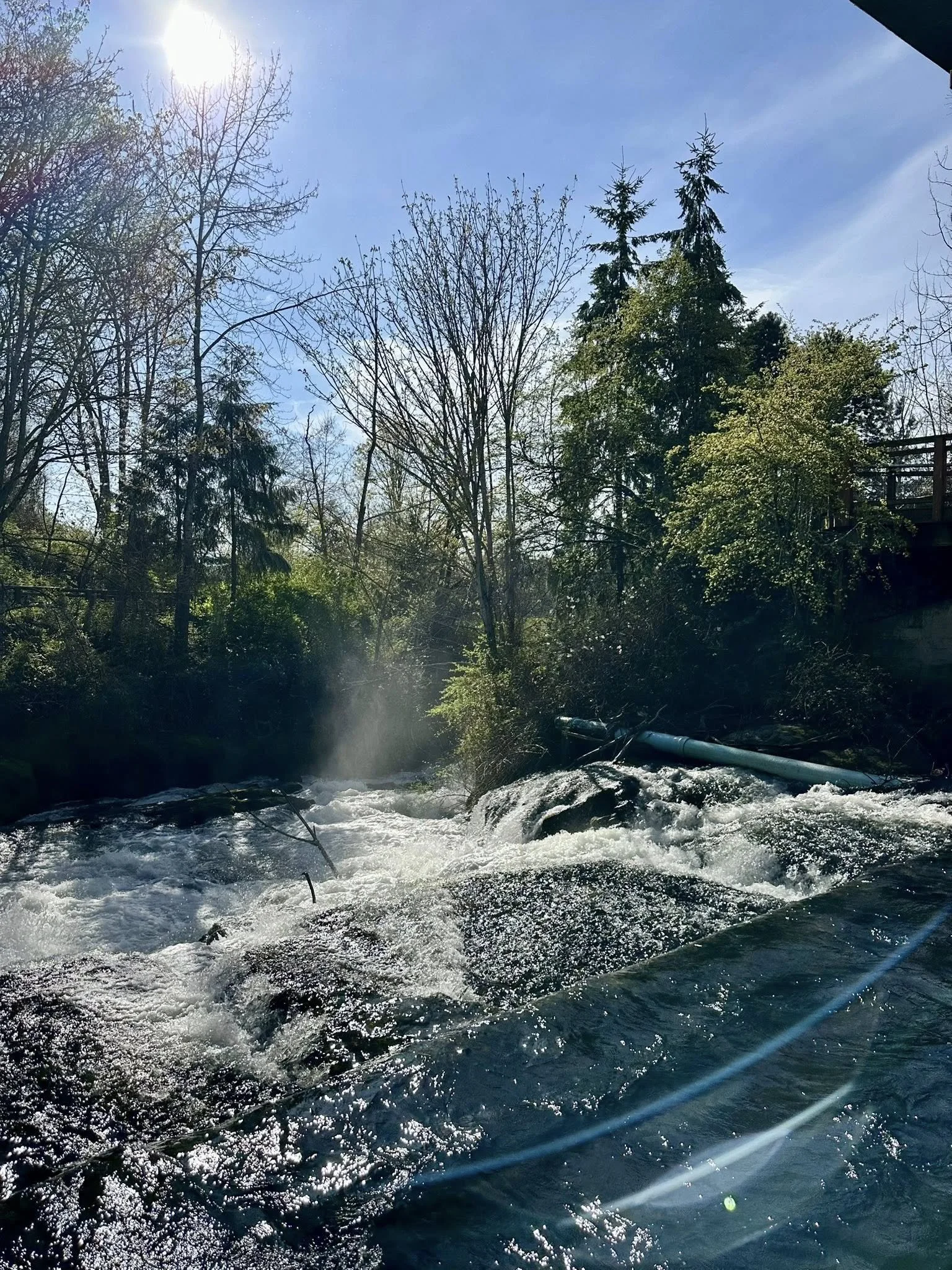
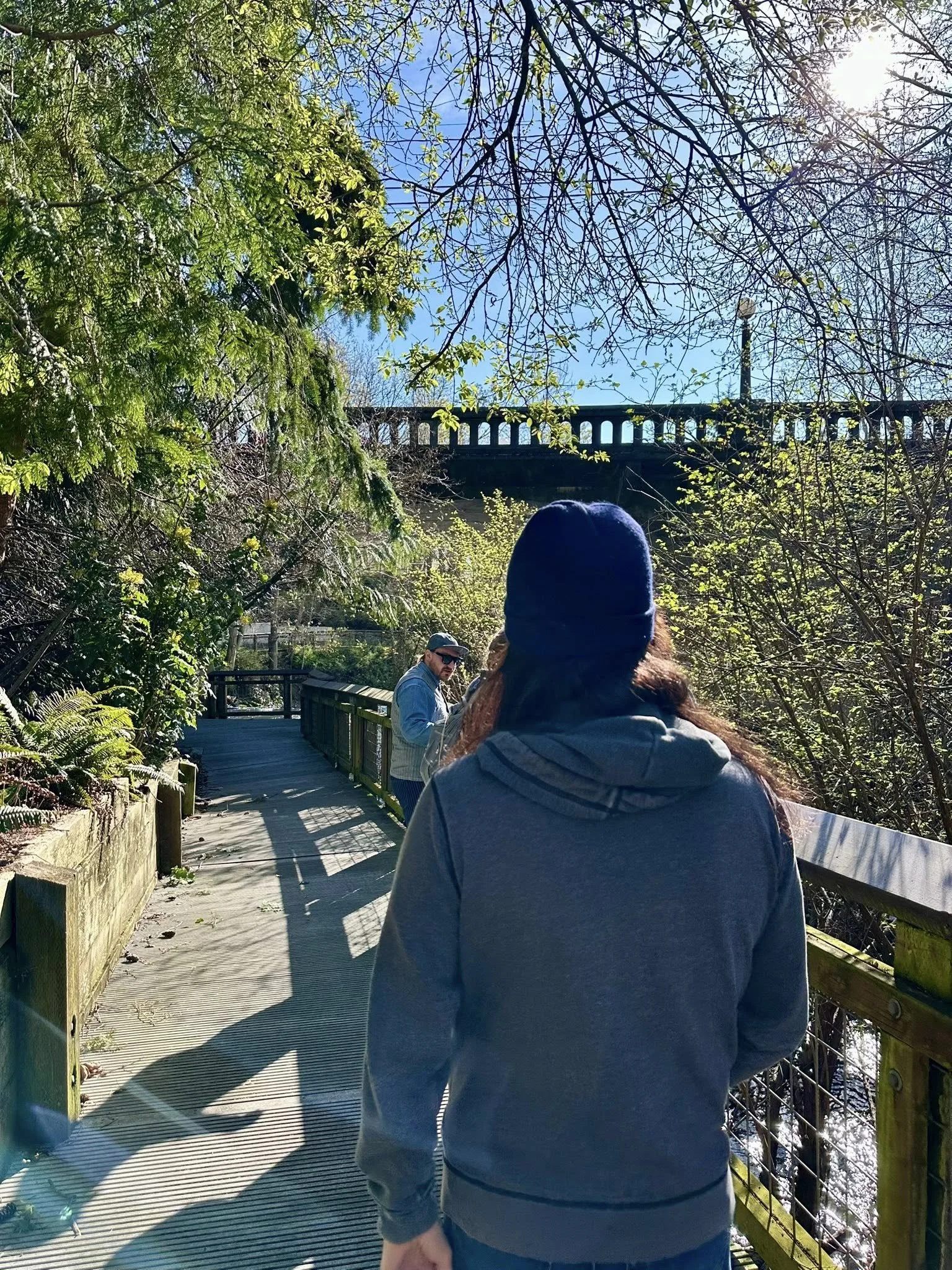
The sun was shining for our Easter Walk 2026 this year!
The “noisy waters” of Whatcom Creek guided us and reminded us of the moving, living flowing water beneath our feet and streets of Bellingham. Resurrection too is all around us in habitat restoration, salmon fry releasing, and ancient stories of Jesus and Salmon Woman.
May you keep finding signs of hope amongst the constant change of spring!
Flow
-Jarod K. Anderson
Lives aren’t completed. They’re concluded.
You are, and forever will be, unfinished.
This is nature. Cycles and spectrums.
Moments and seasons.
Do you ask when the weather will be complete?
The spring finished?
Your life won’t have one point or purpose.
You’re lovelier than that.
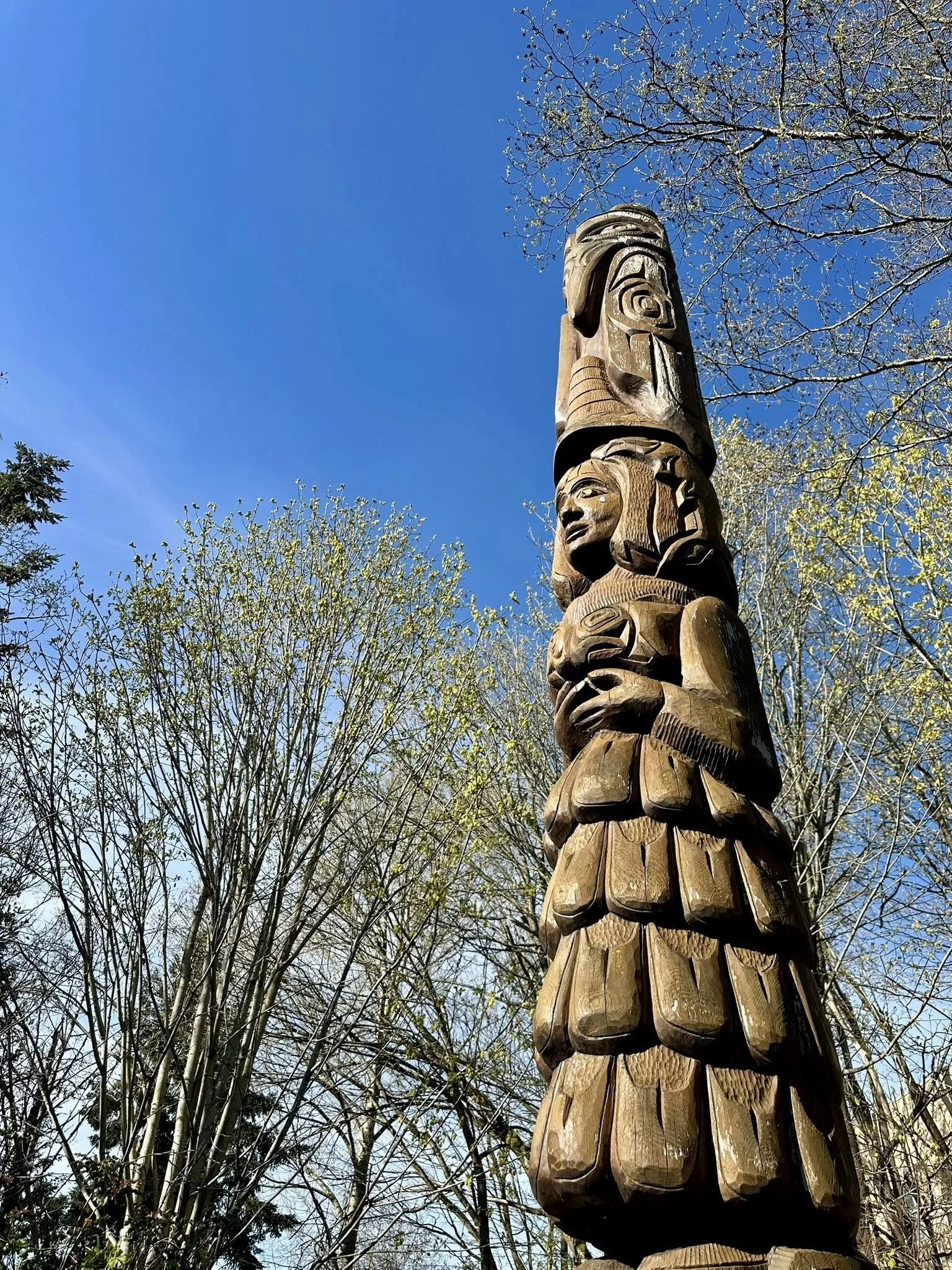
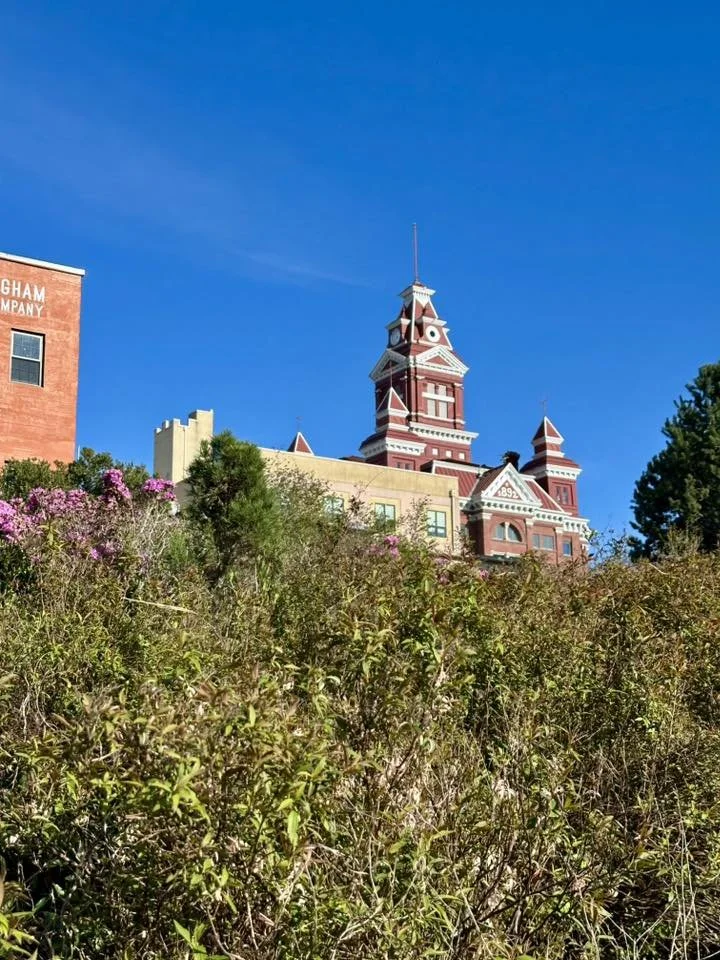
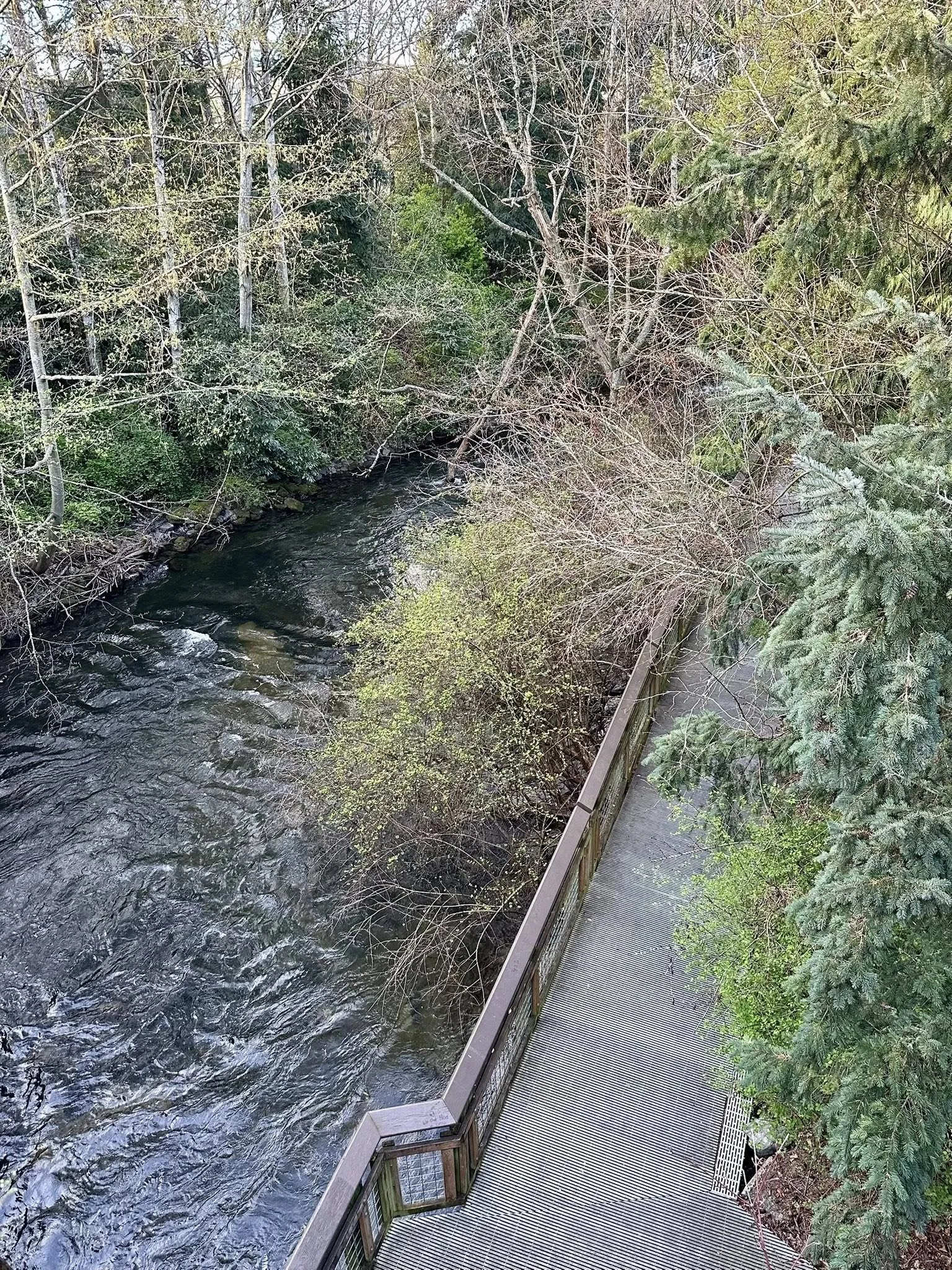
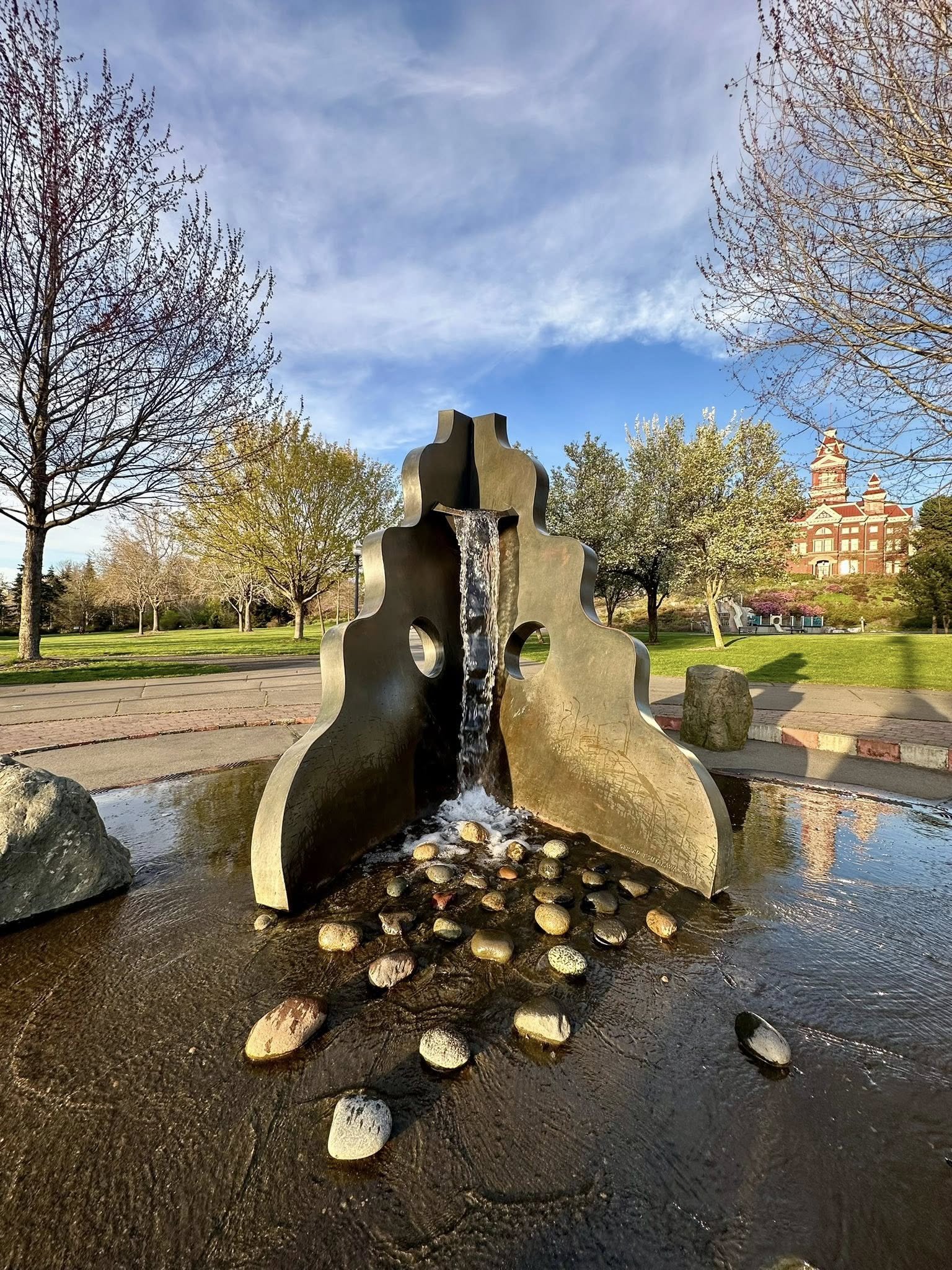
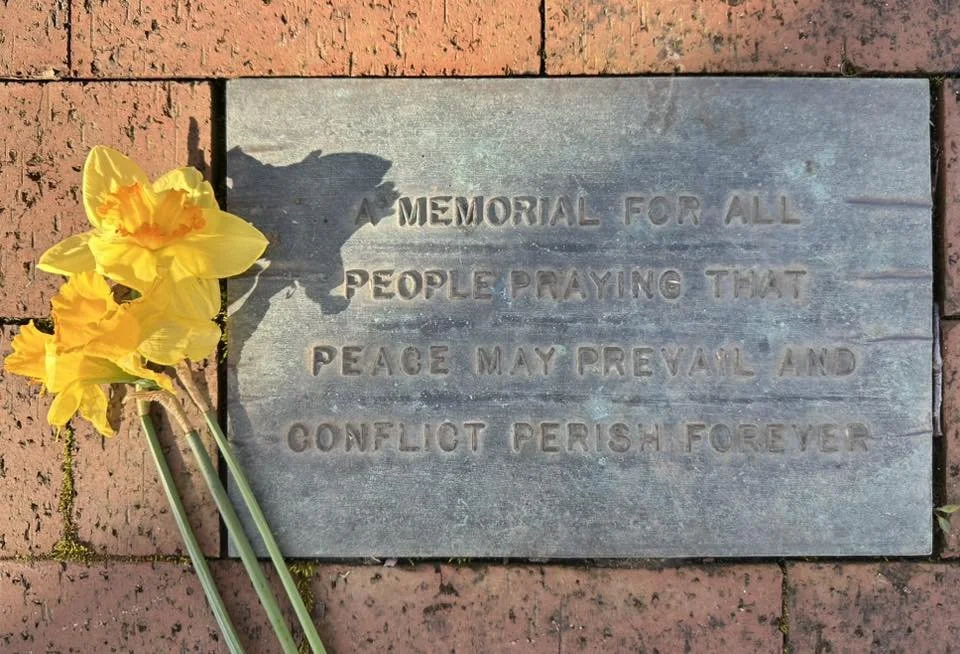
Holy Week, Holy Wandering 2026
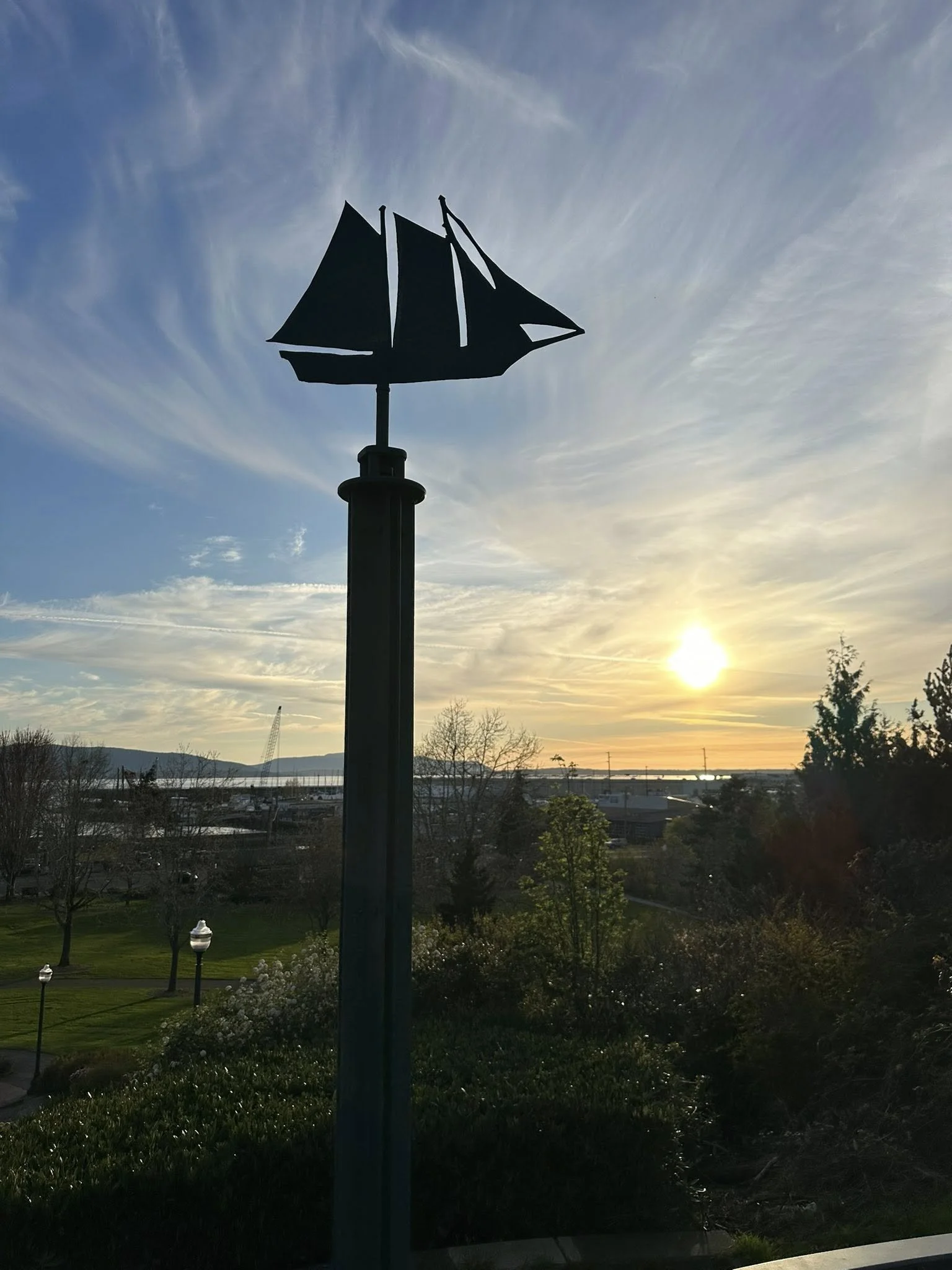
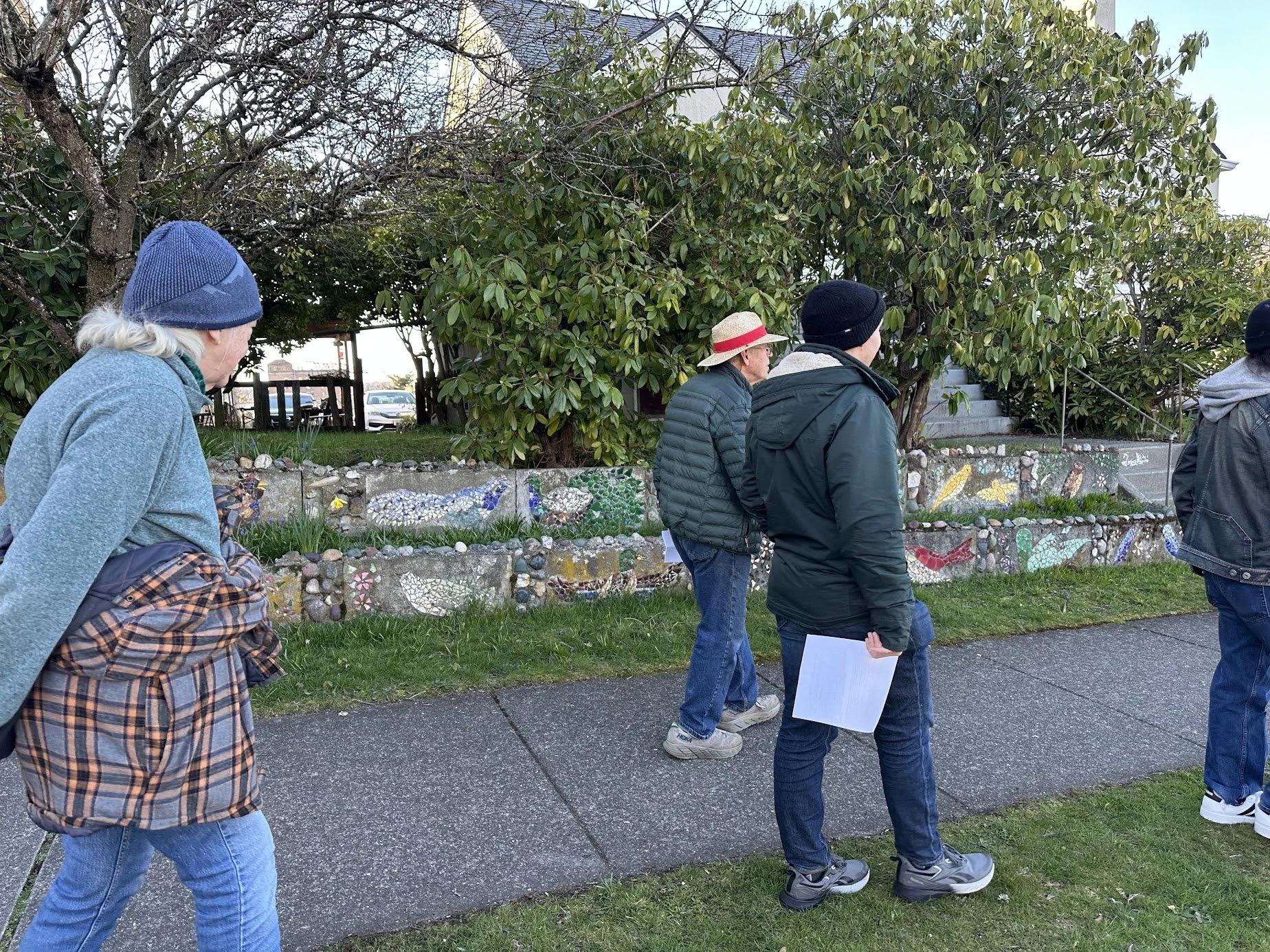
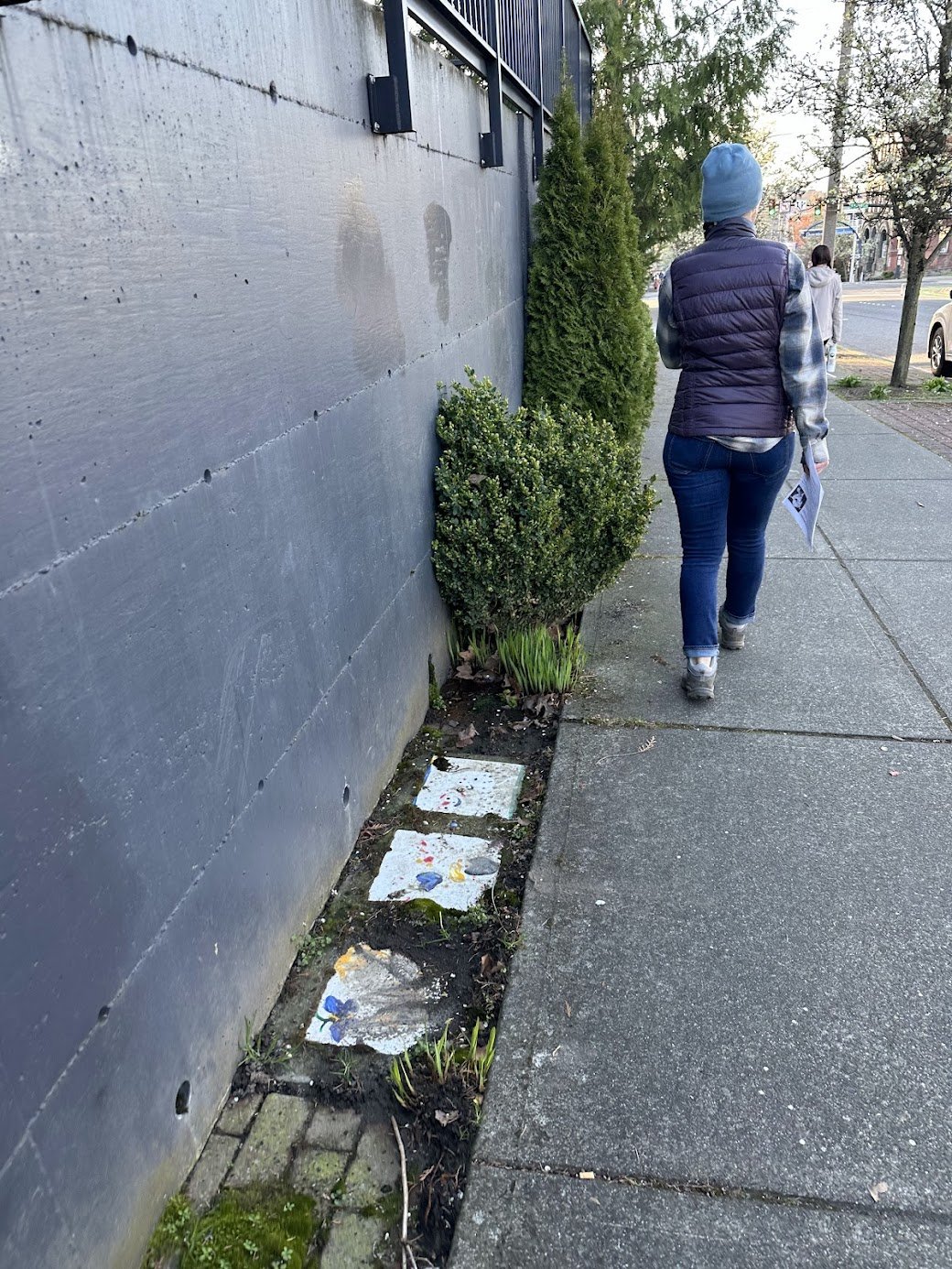
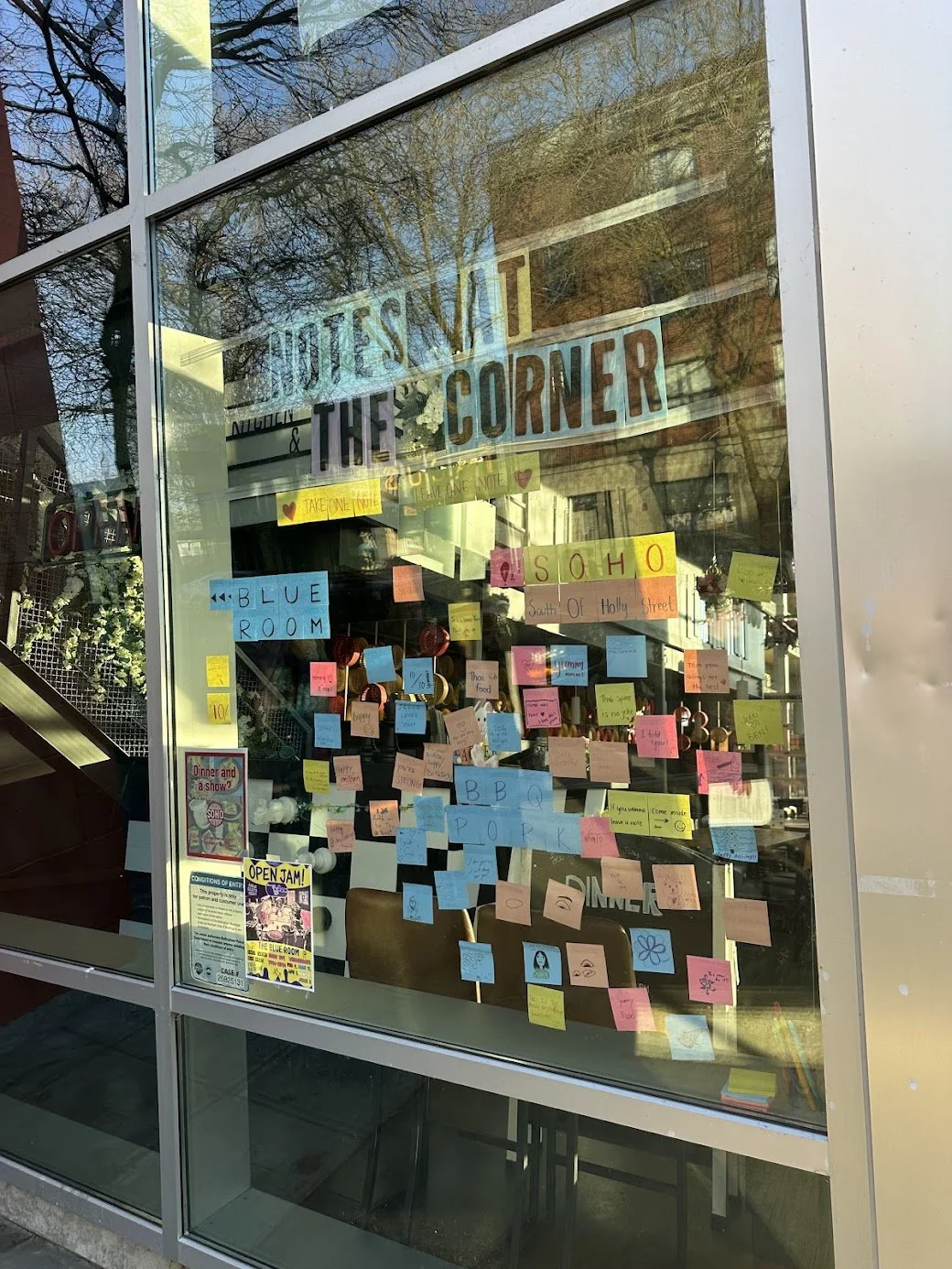
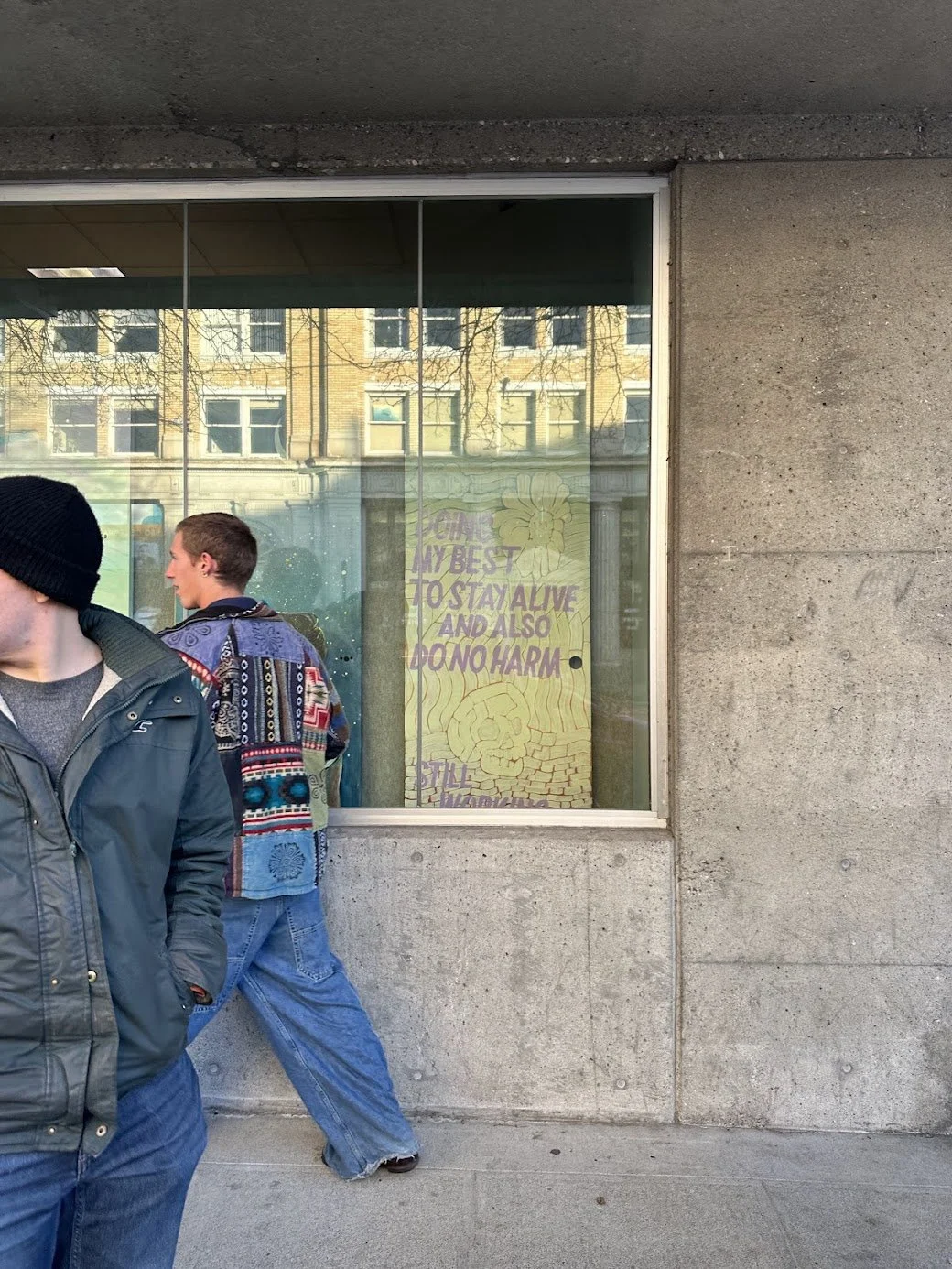
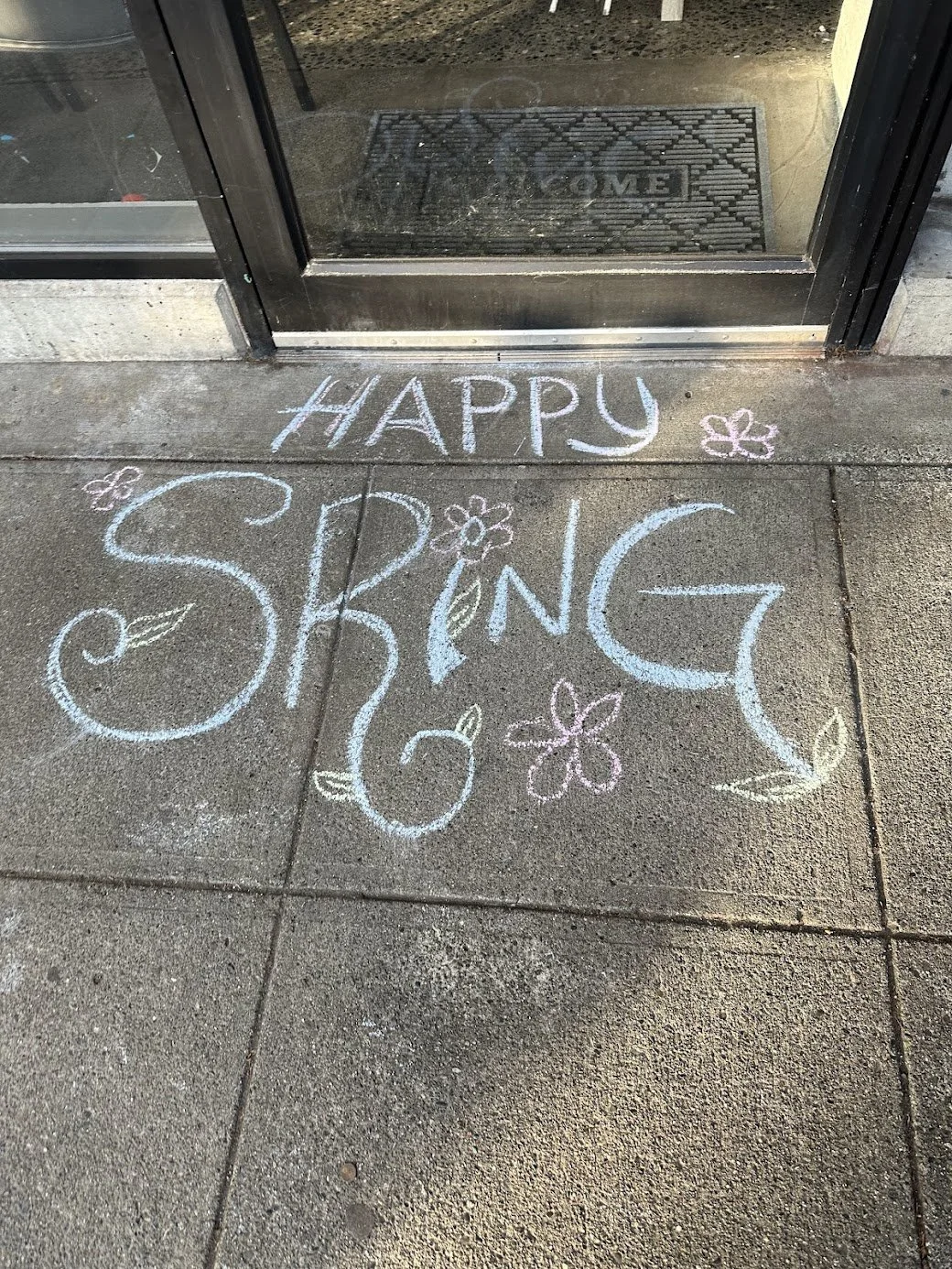
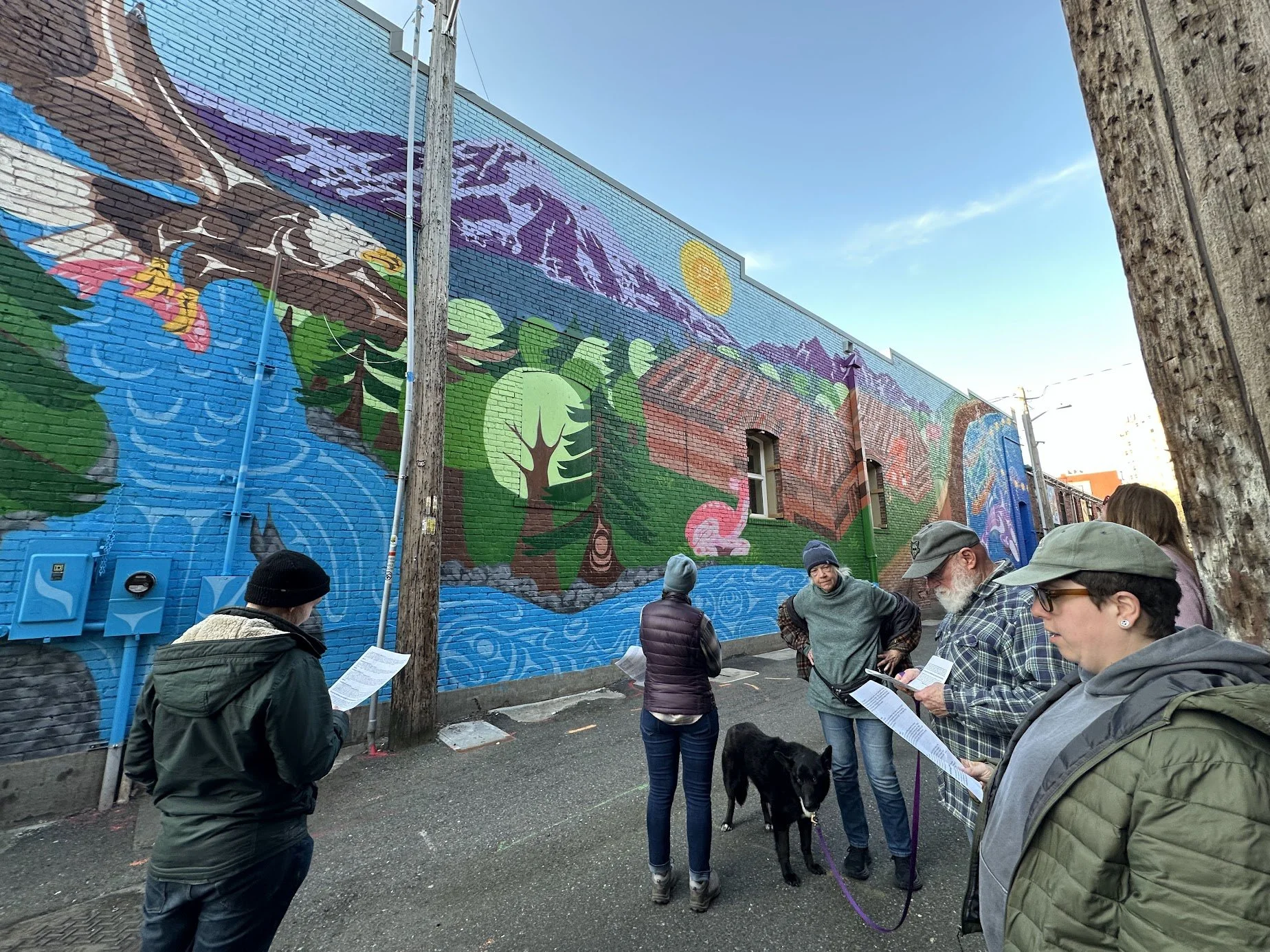
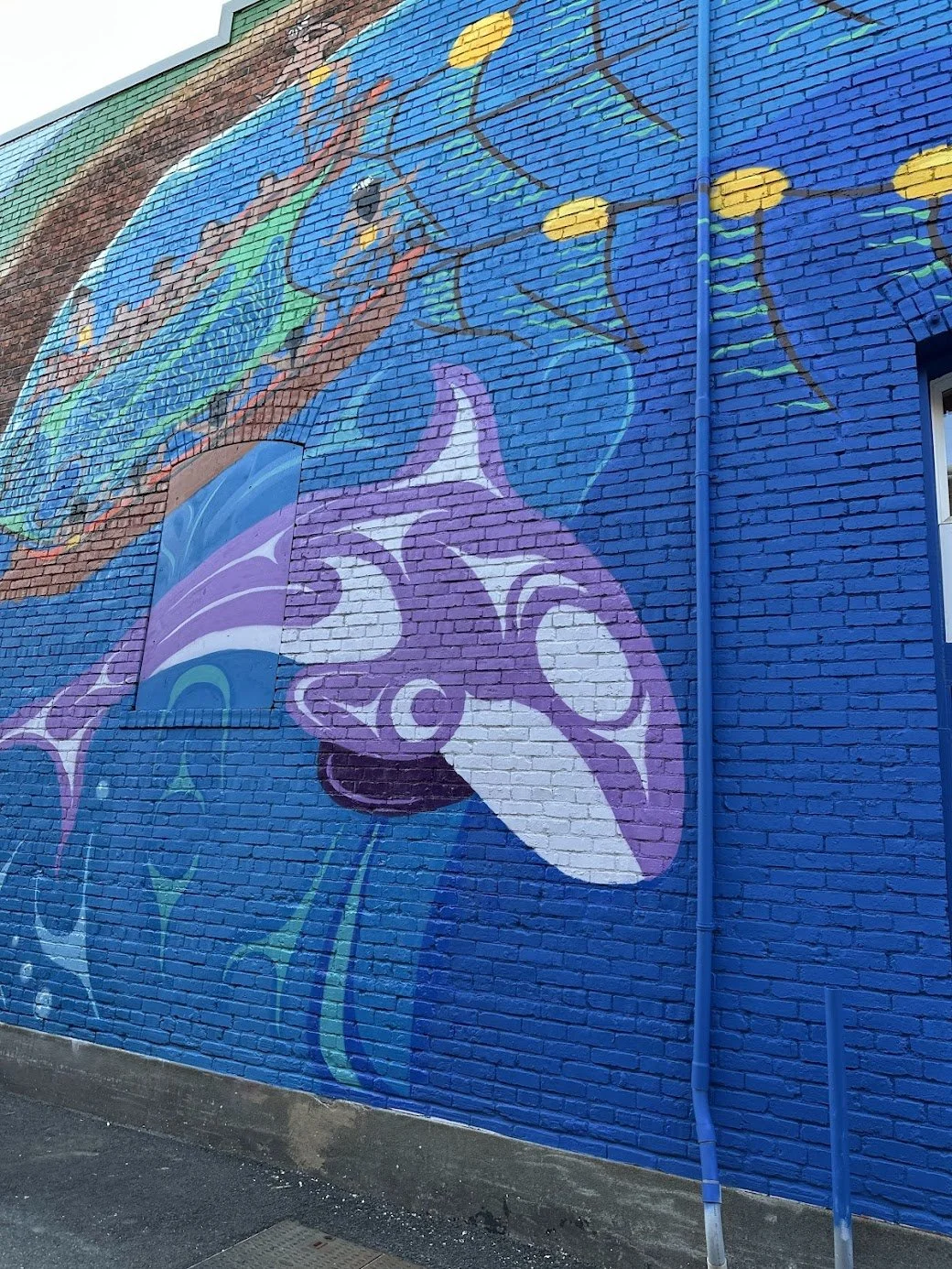
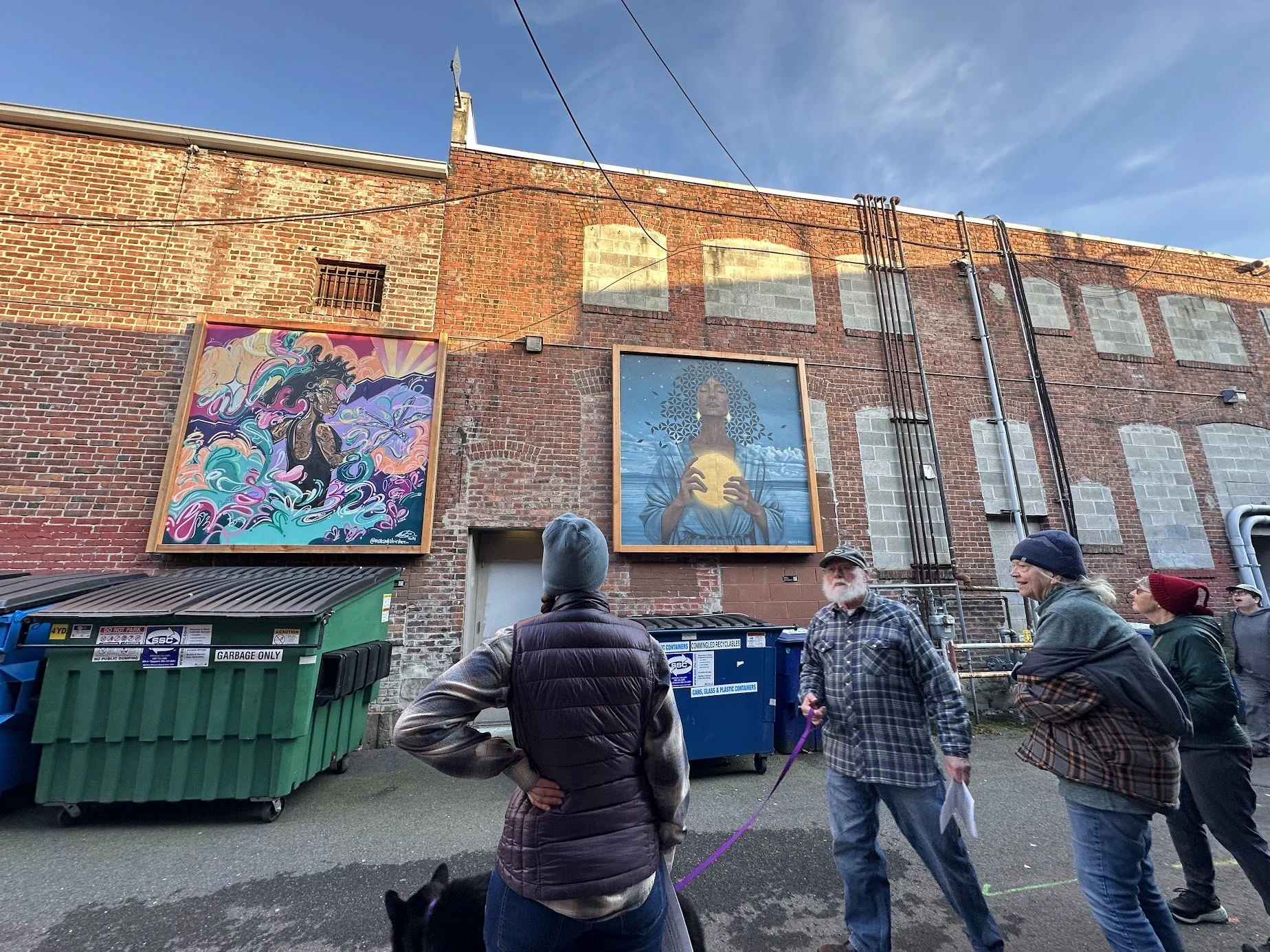
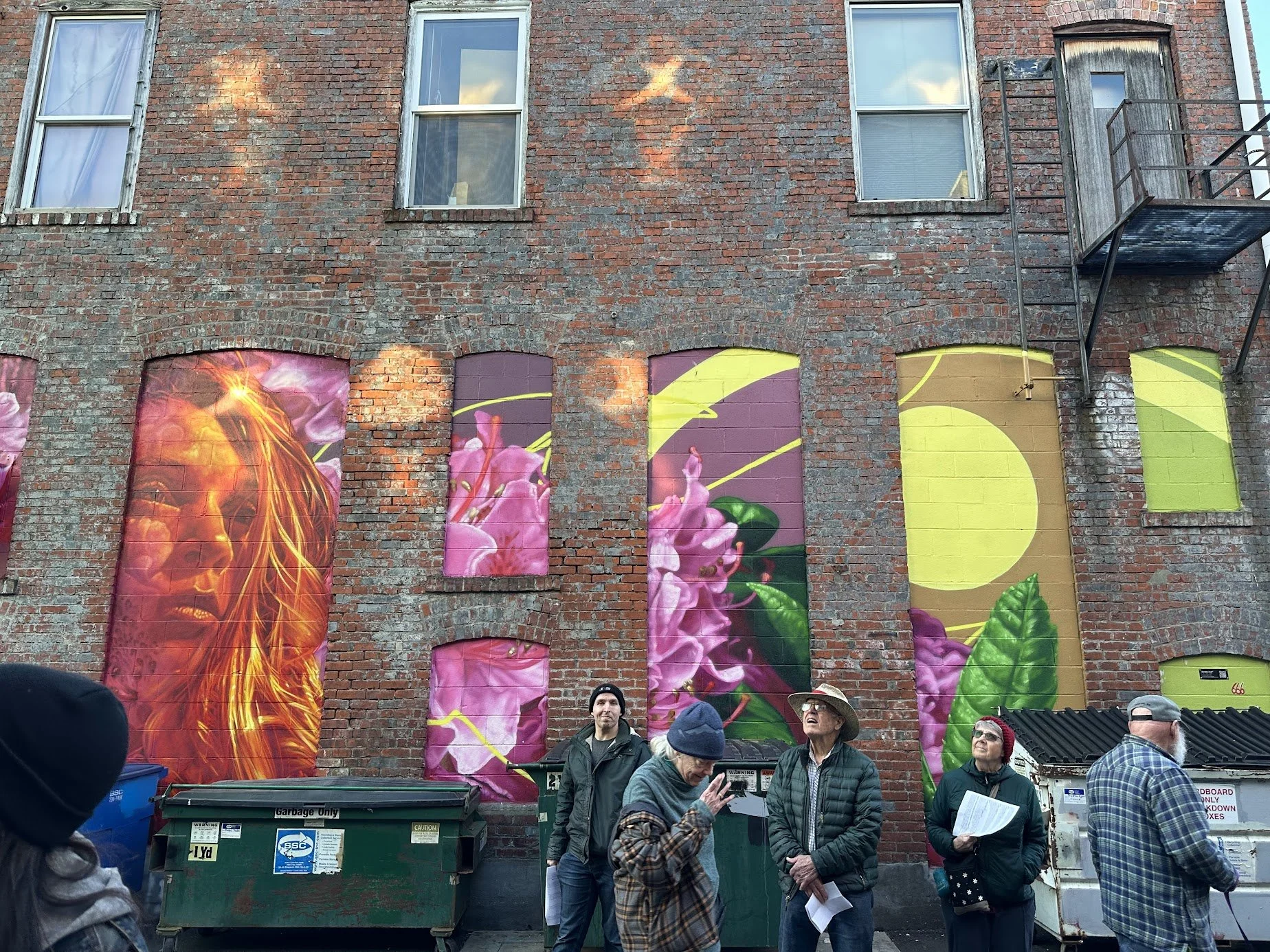
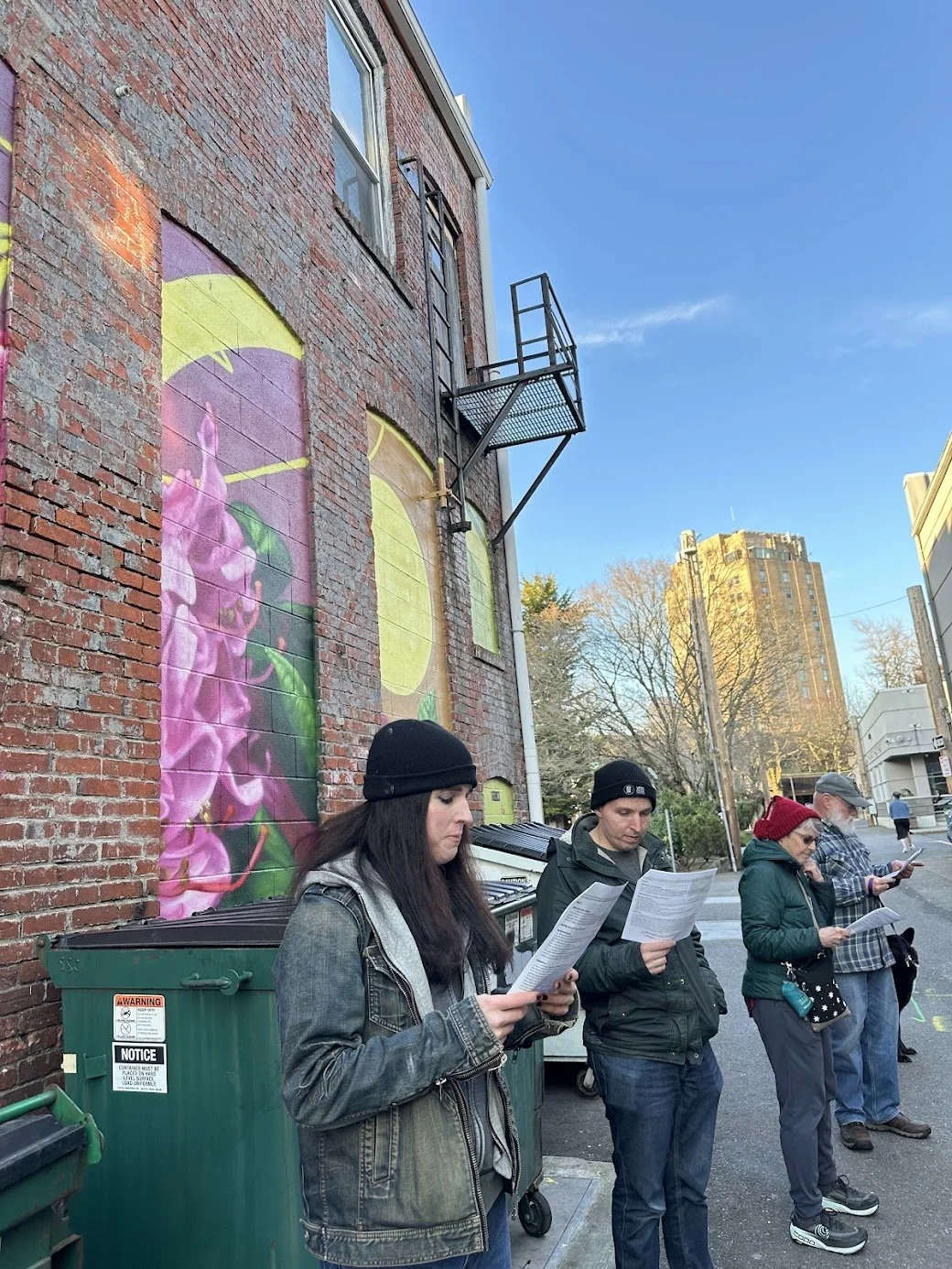
This year's Holy Week, Holy Wandering made our way through the streets of downtown Bellingham, our sanctuary, reading, praying, observing, listening, seeing, and remaining open to ALL that we share this place with.
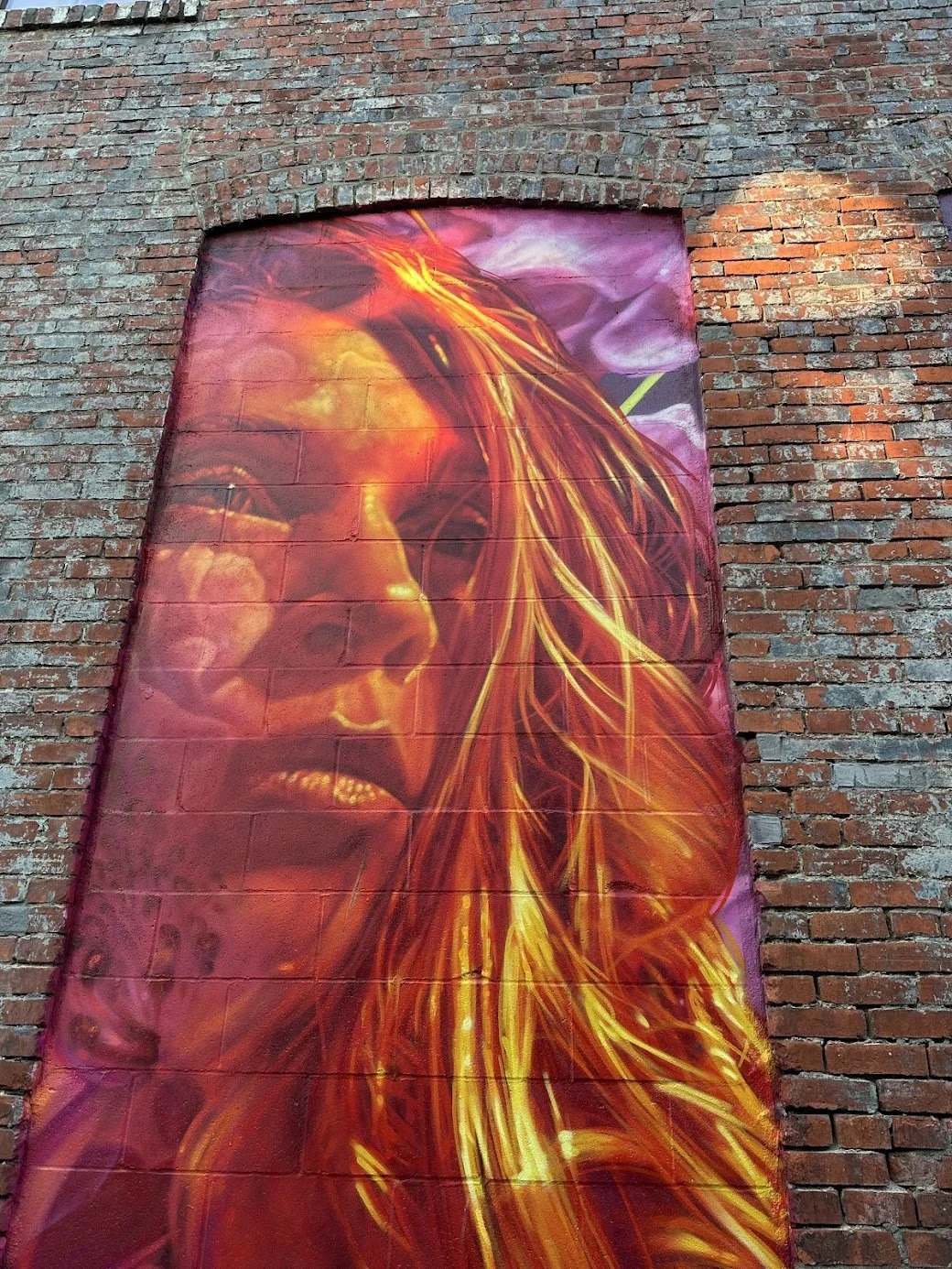
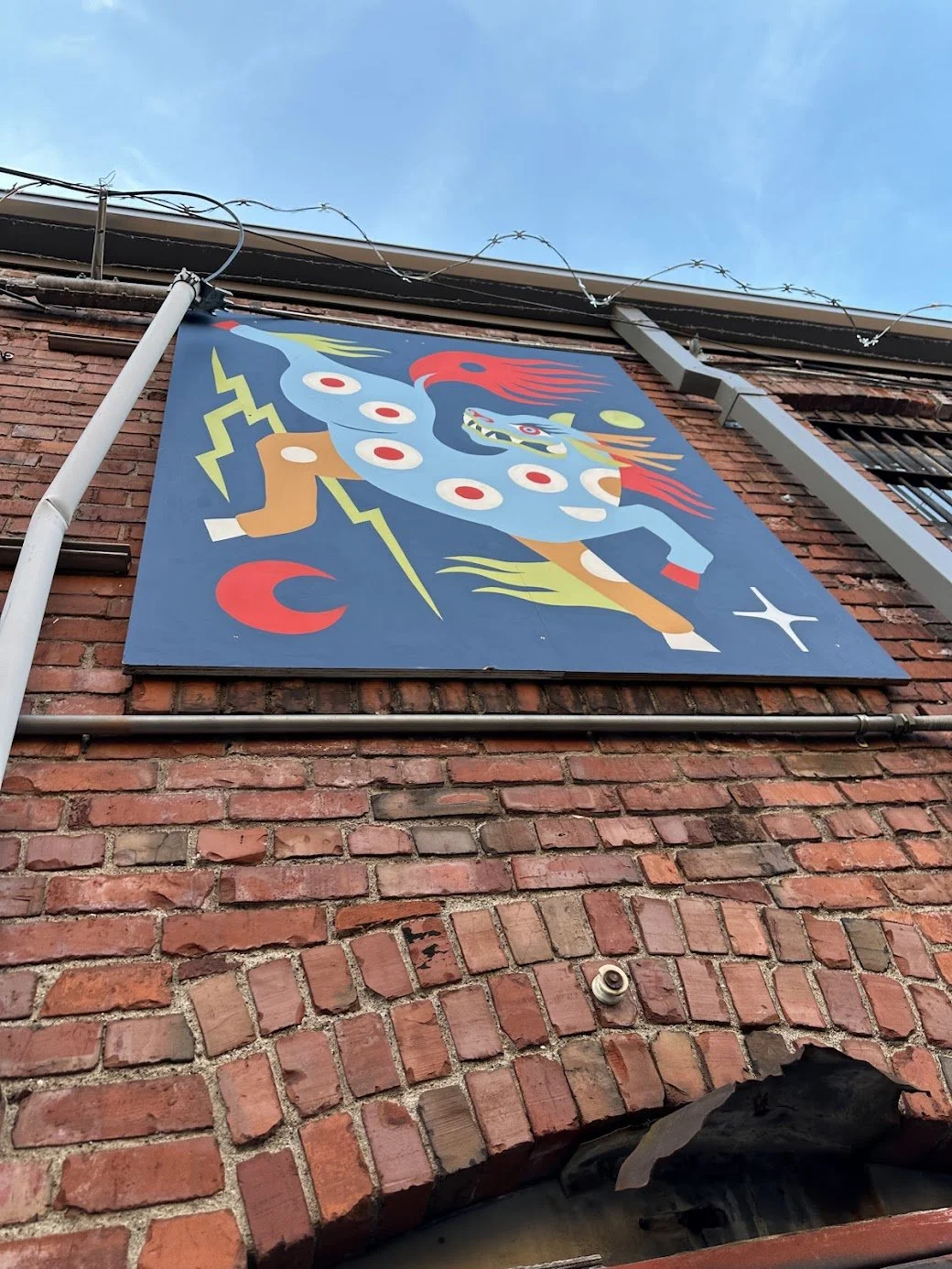
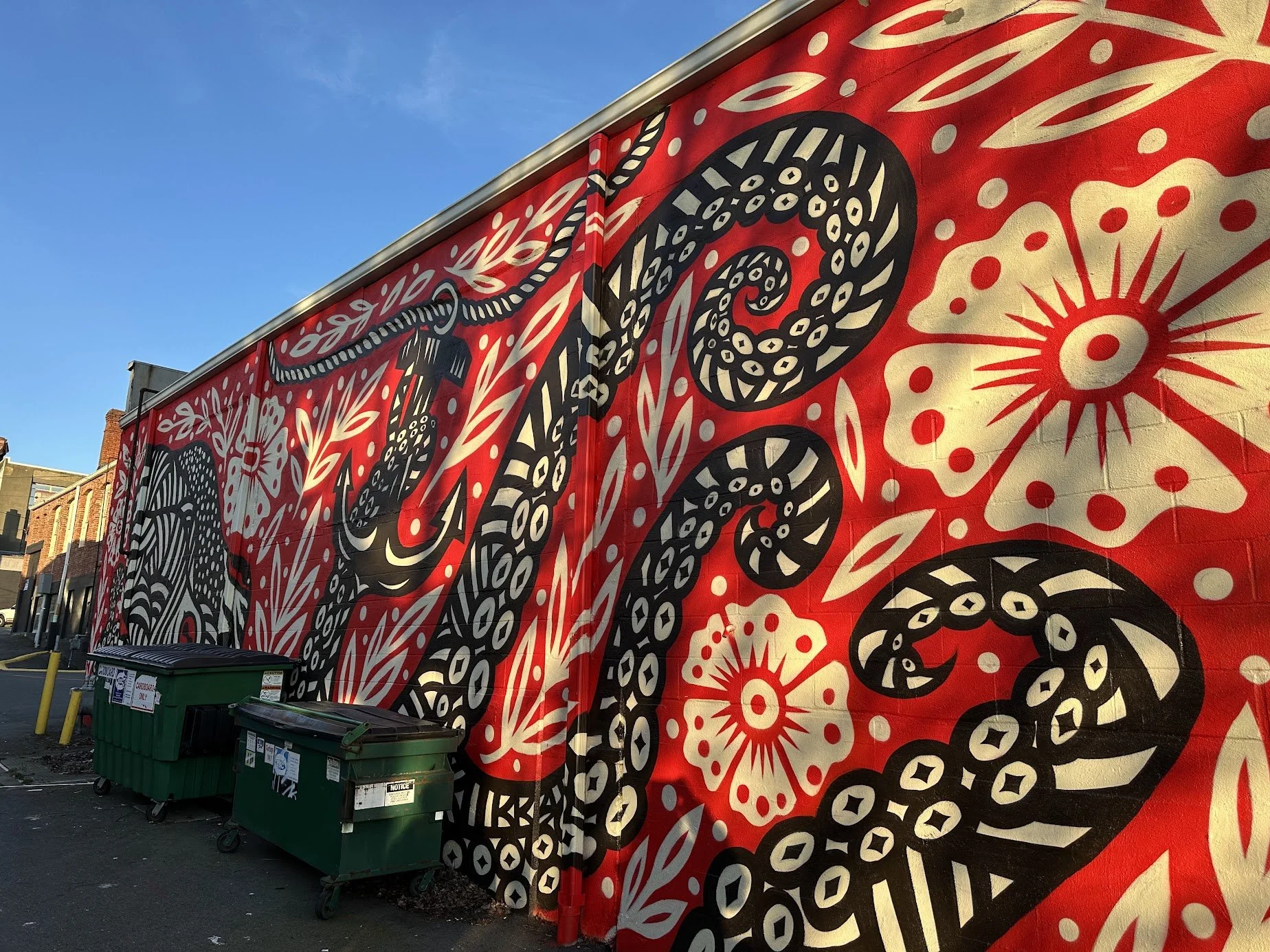
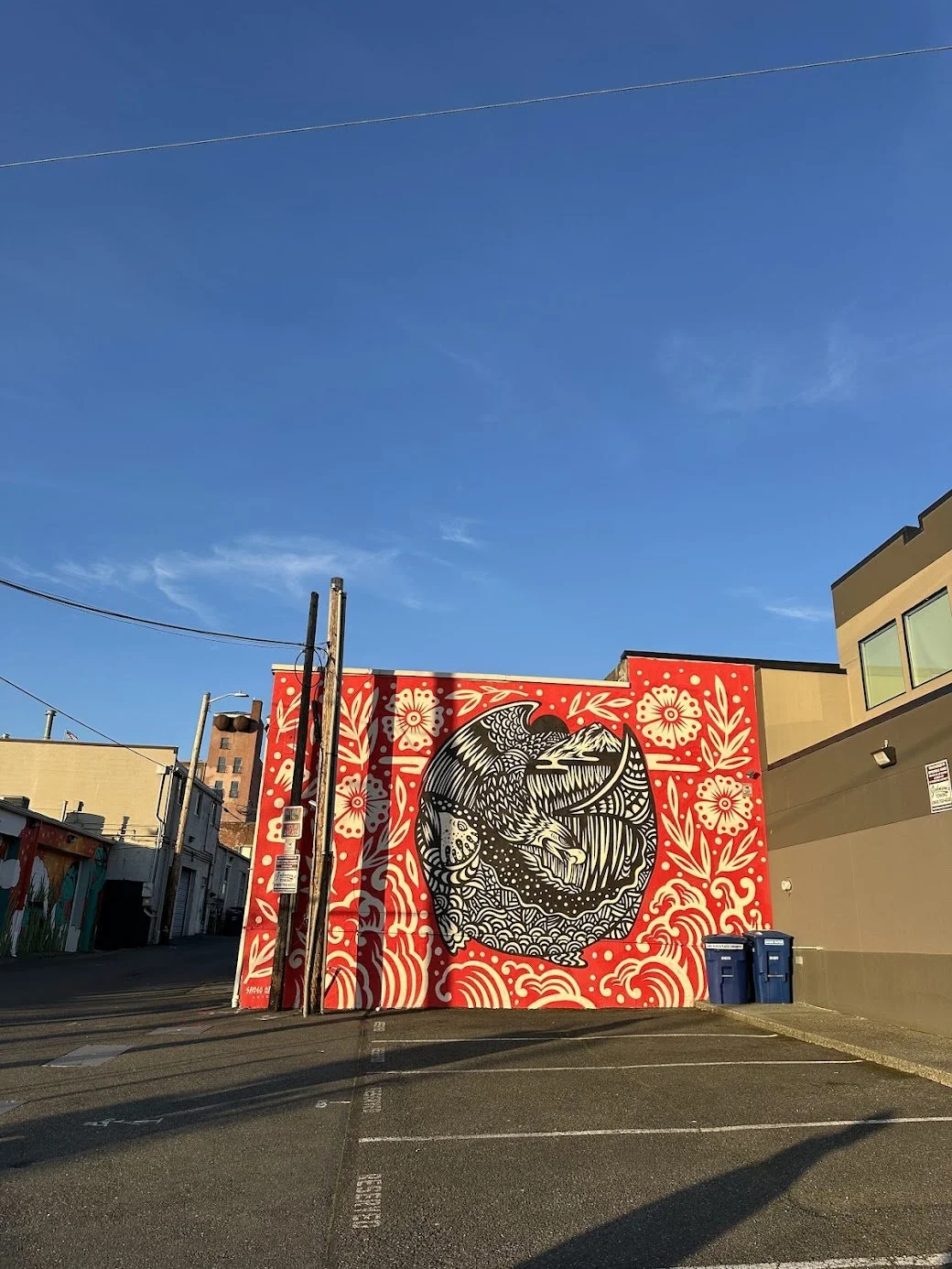
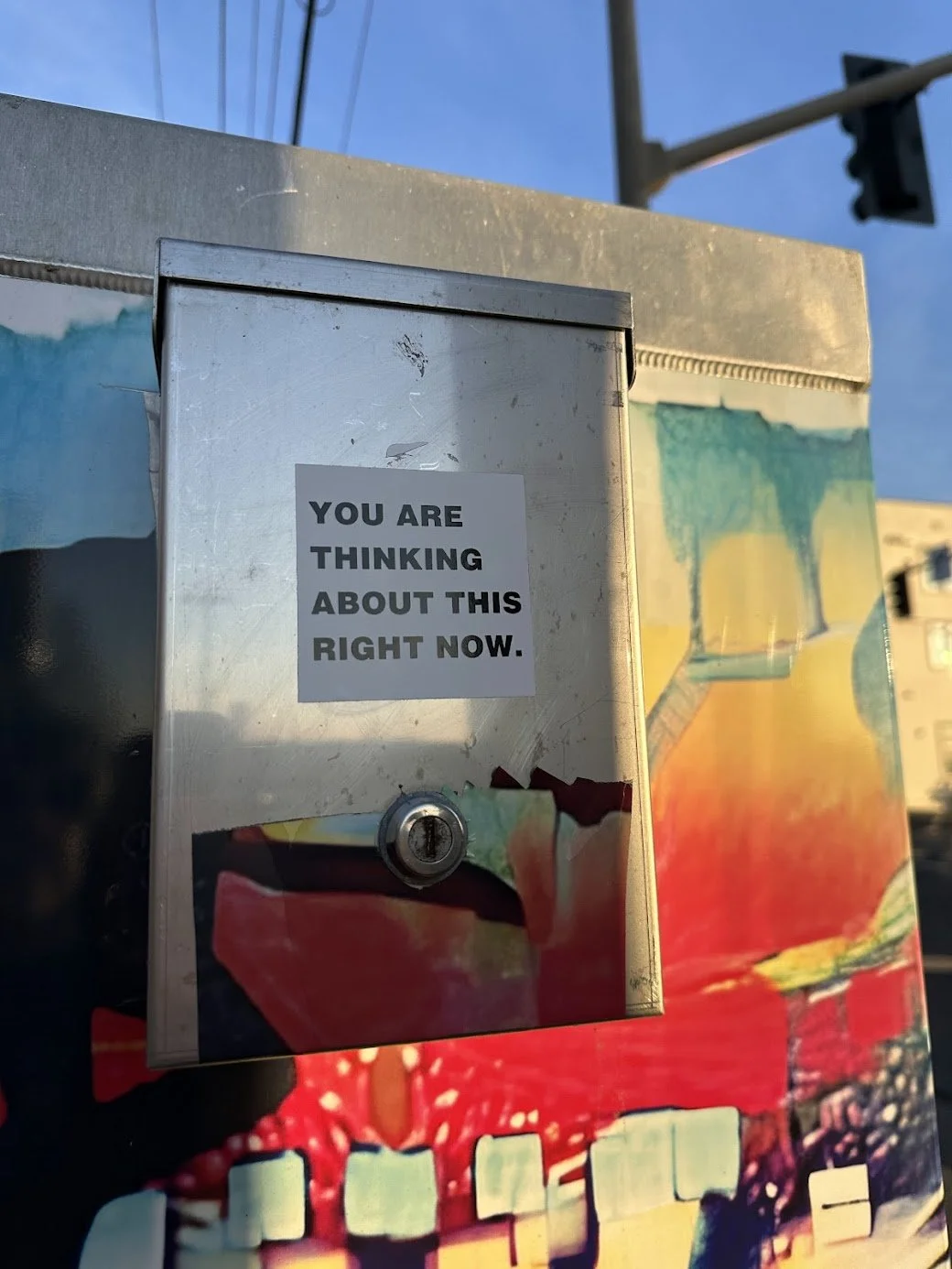
Whether observing murals, graffiti, sidewalk chalk or the way the light hits the alley, we spent time lingering in the harder parts of the story of Holy Week and Good Friday.
When you walk in similar seasons, years in a row you notice that many things change and many things remain the same.
Let us be open to the transformation all around and within us.
Transfigured Alley
-Danny N. Schweers
Because I happen to be there and have the time,
I walk for miles across the city,
getting to know it step by step.
So when I pass an empty alley,
it seems random
that I should be there at that time and place,
an accident,
a fluke or a blessing that I should be there
at the right time to witness the sun at just the right altitude
and azimuth to perfectly cast shadows and reflections in mathematically-satisfying patterns.
No one else stops in admiration.
No one else bothers to look.
They are too busy going places to glance at this place which is, after all, just a humble alley, even if it is transfigured by the light.
I look. I see. I wonder.
In the right light, might we too be transfigured?
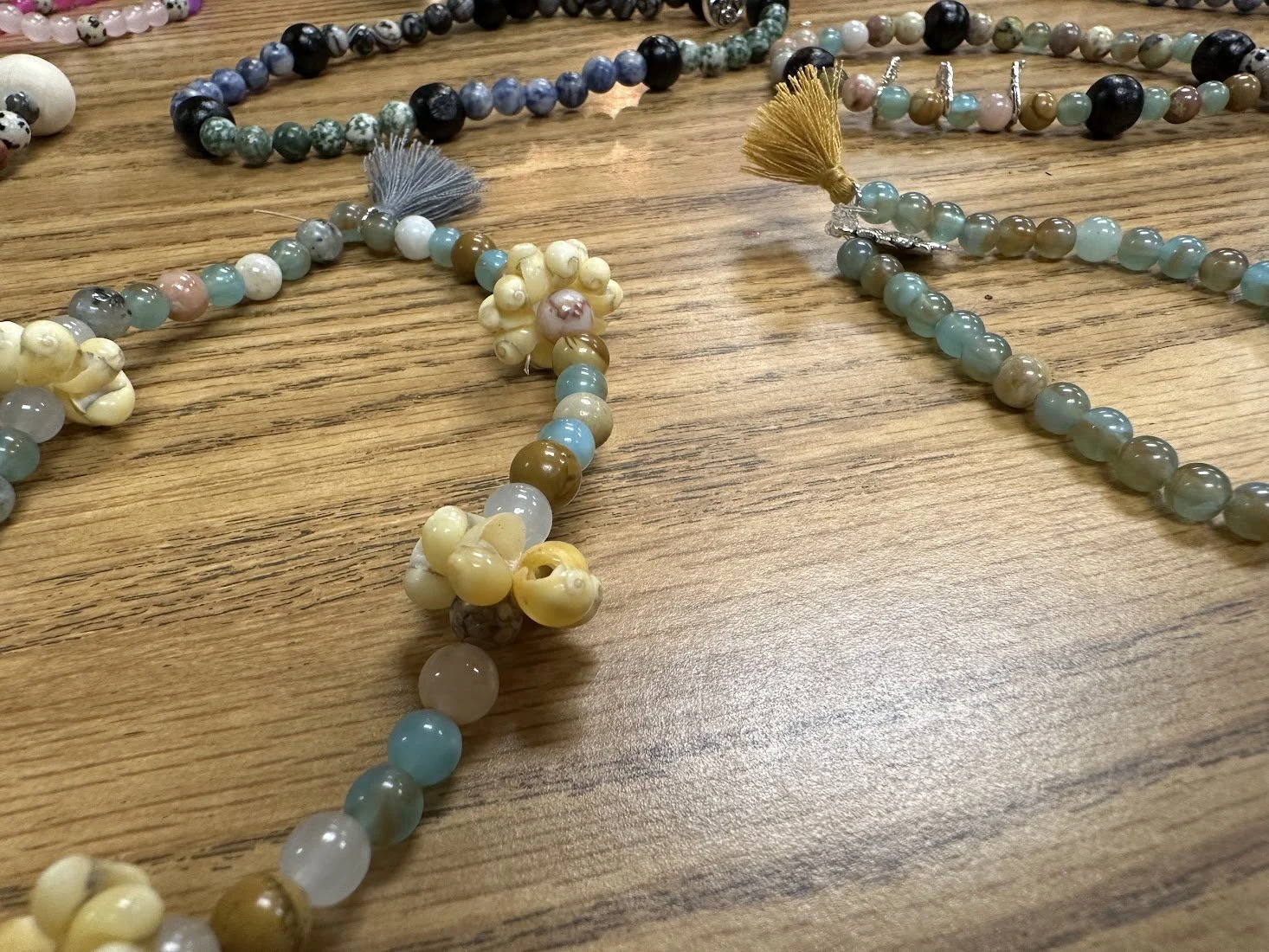
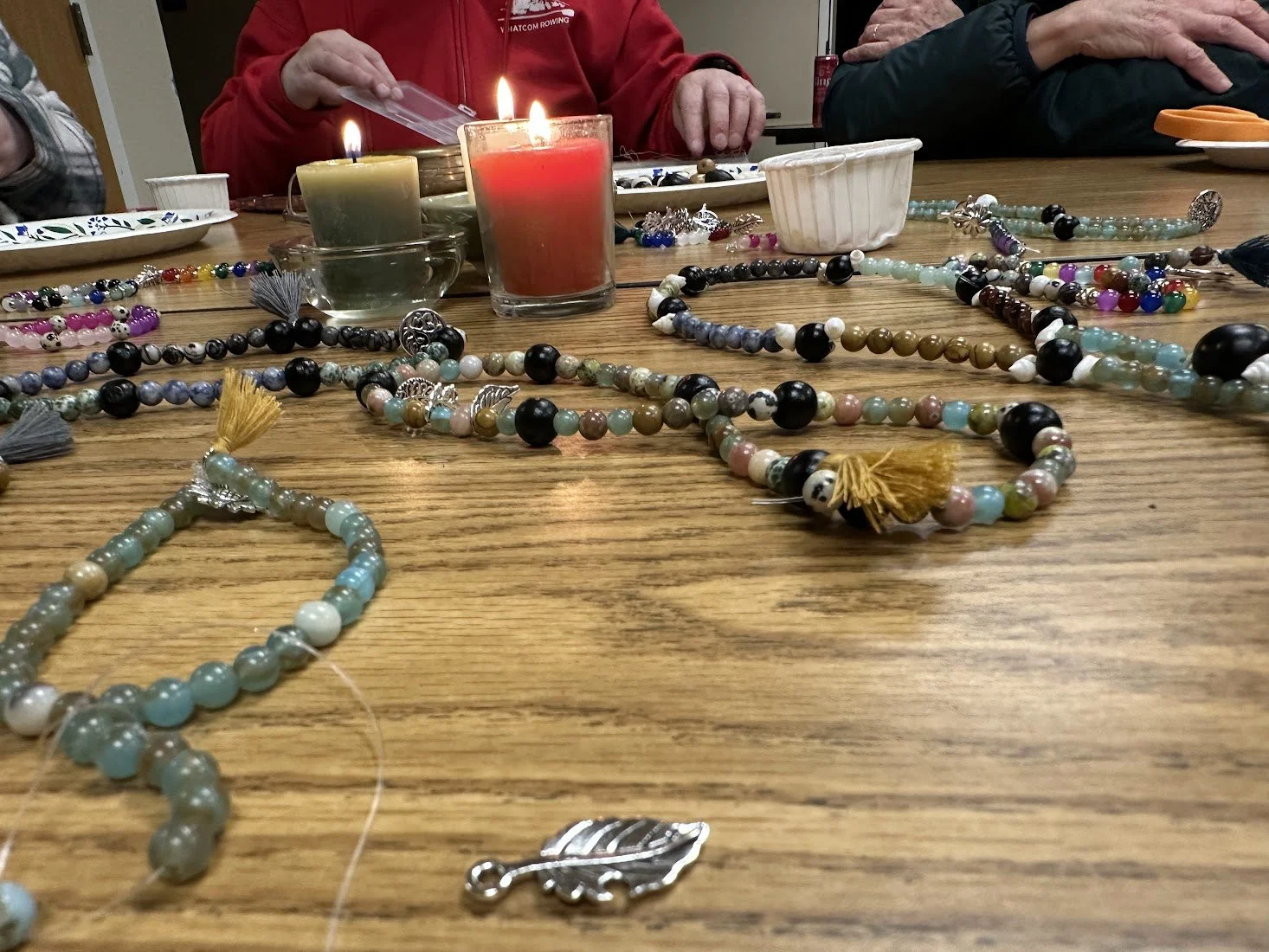
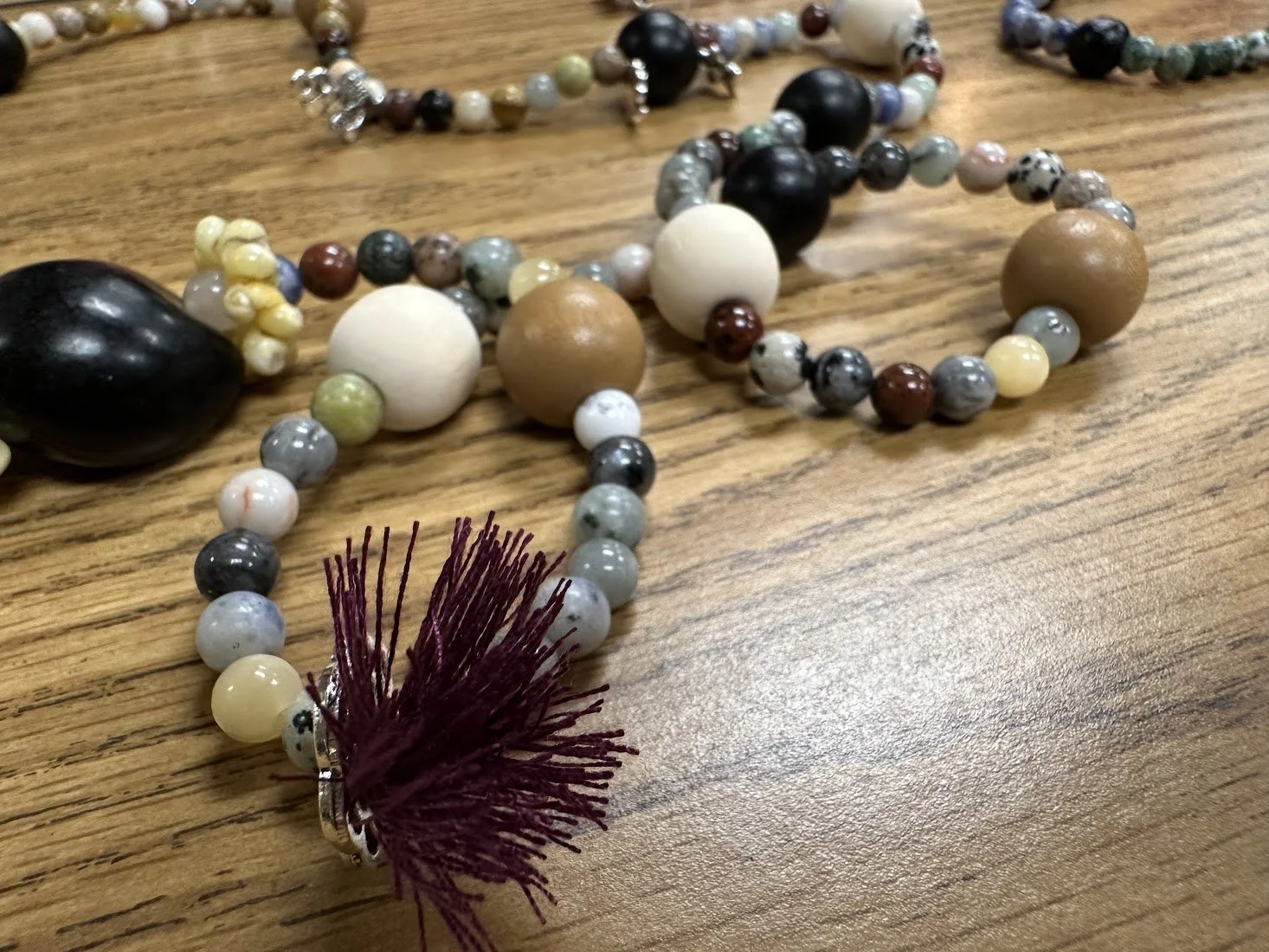
Prayer Beads for Spiritual People
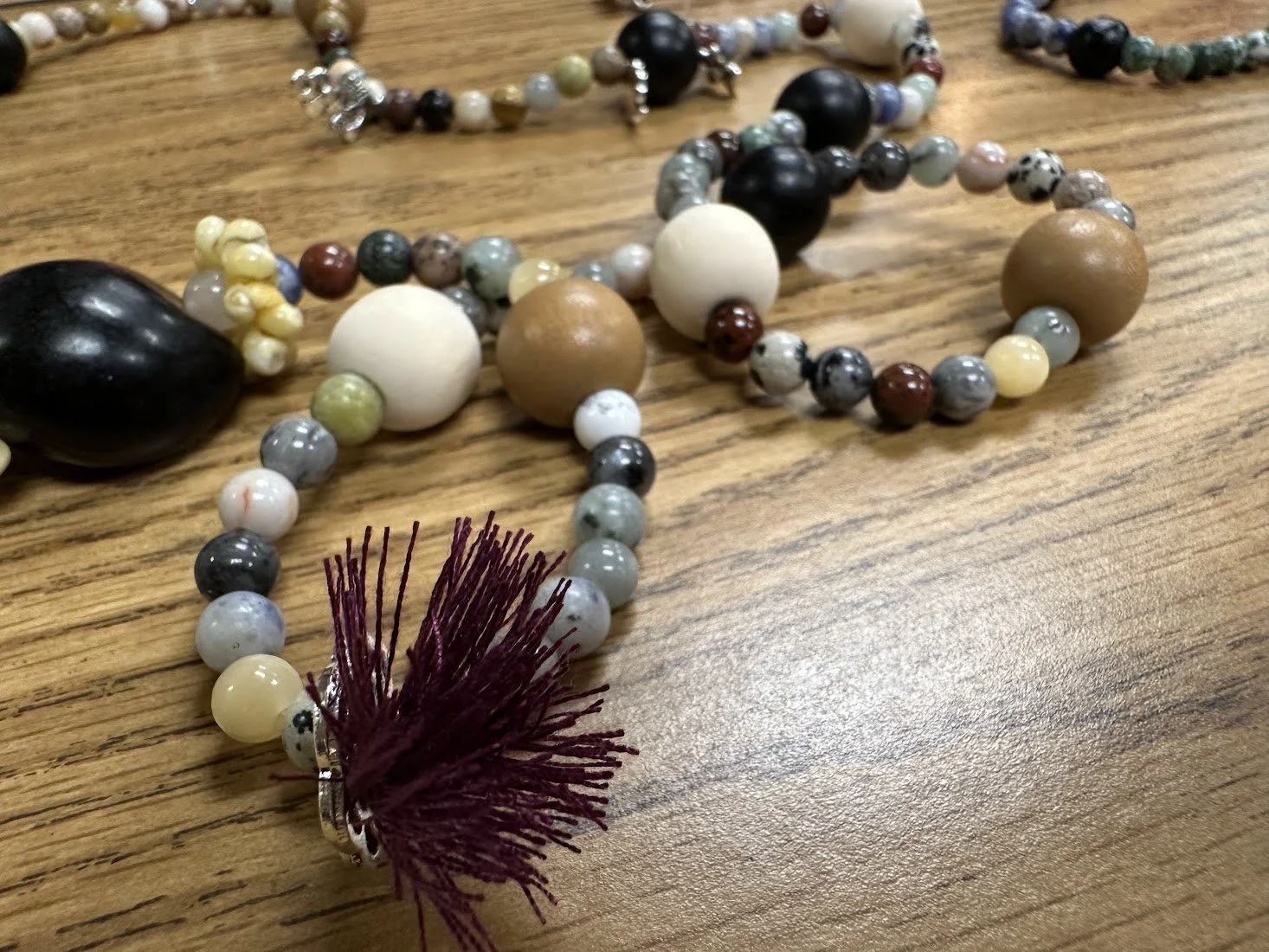
Did you know that the English word Bead comes from the Old English word "gebed" meaning prayer?
Beads have been associated with prayer for a very long time and across many different religious and spiritual traditions!
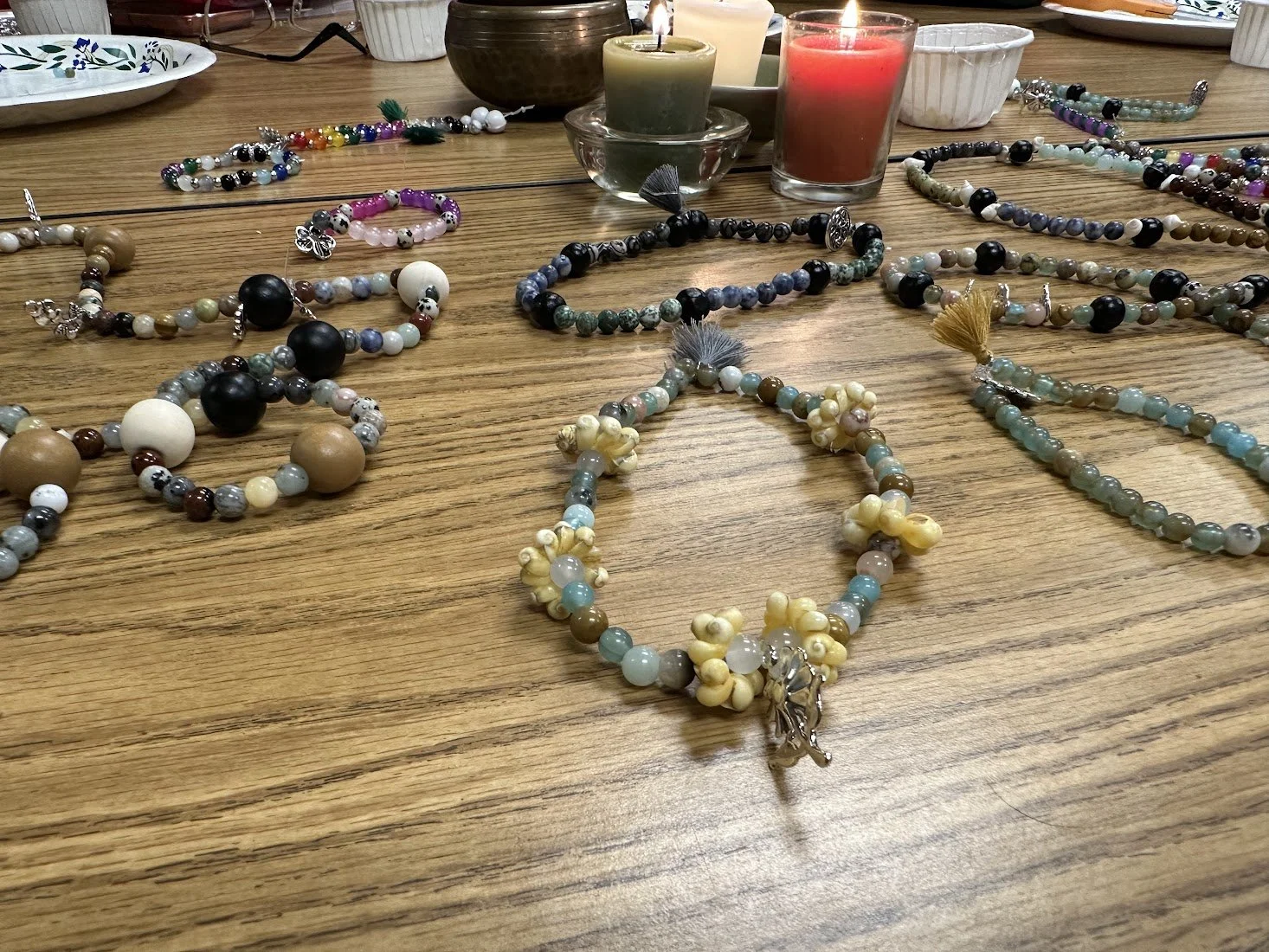
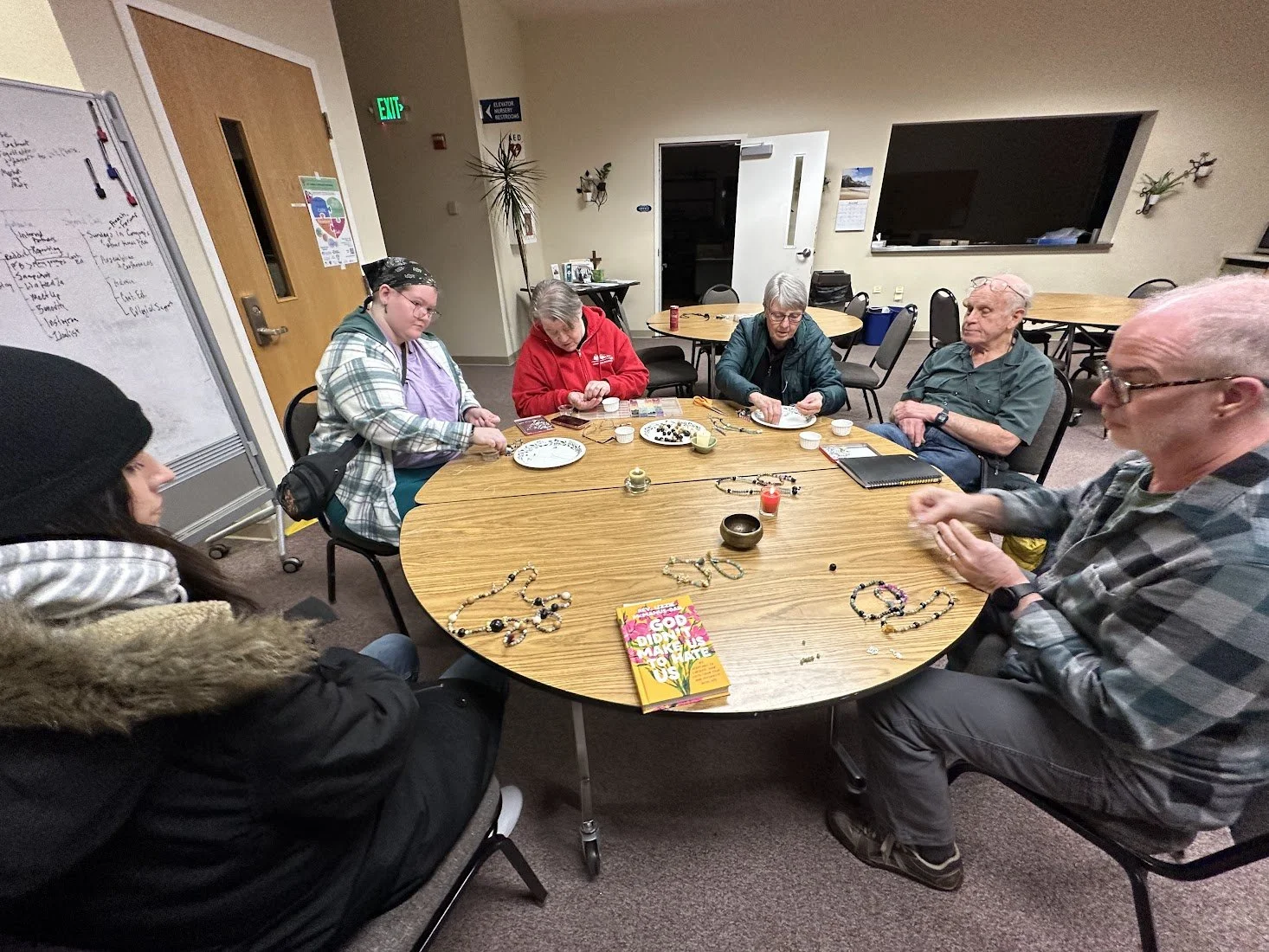
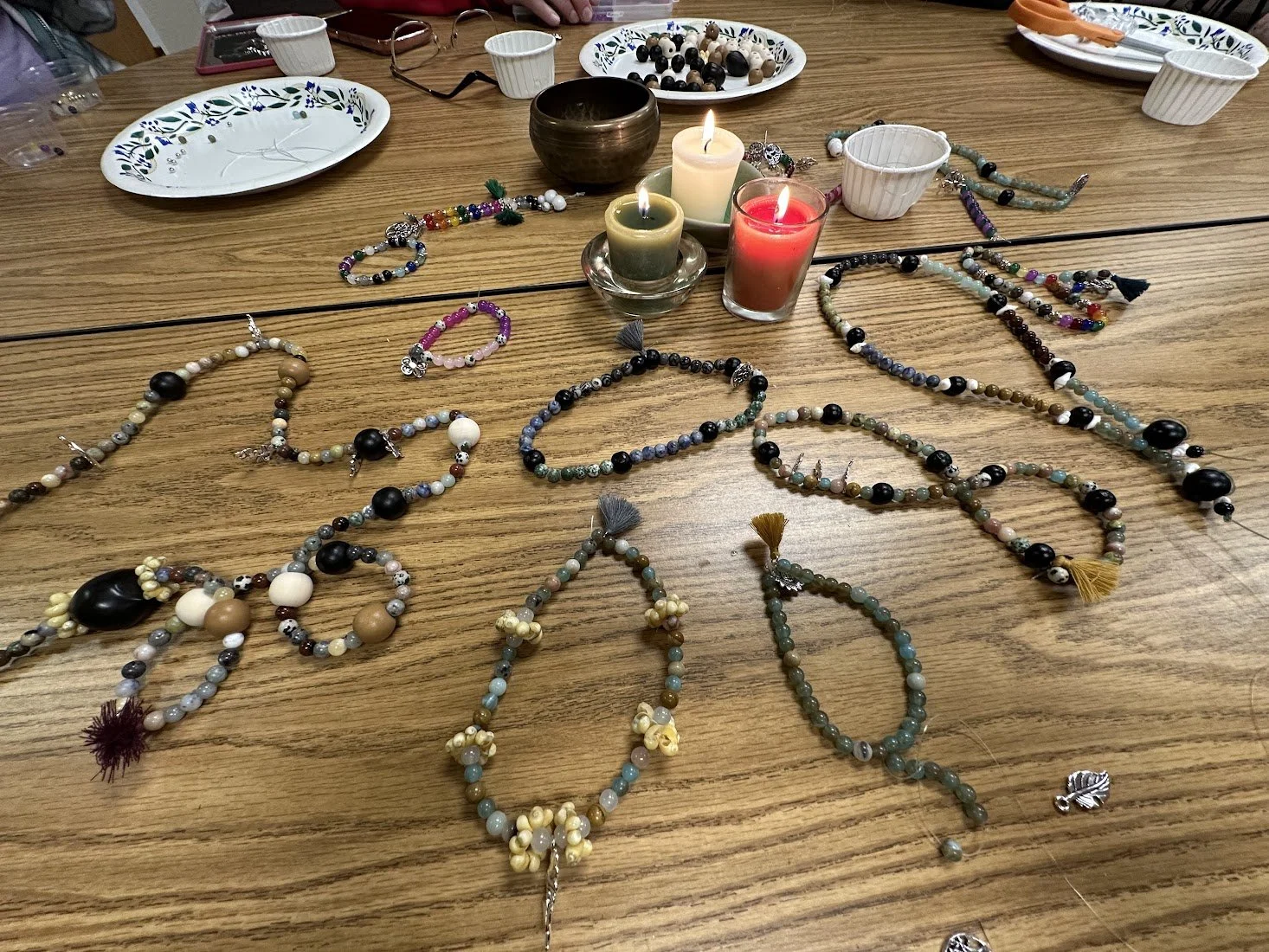
At this month’s Creative Church we created our own unique prayer beads. Since the earliest of times, people have used pebbles or a string of knots or beads on a cord to keep track of prayers offered to God. Each bead could represent a prayer, scripture or reminder that some joys, concerns or wordless thoughts, need tangible representation.
Prayer beads offer both structure and spontaneity in prayers and spiritual practices.
We made a few extra if you would like one for your heart or home - send us an email info@echoesbellingham.org
More Prayer Bead Resources Here:
https://littleshootsdeeproots.com/encourage/protestant-prayer-beads/
https://www.patheos.com/blogs/faithforward/2014/07/prayer-beads-yes-its-ok-for-protestants/
Struggling with OCD
A personal reflection written by Diane Tip
I’ve had OCD for a long time though I did not know it was OCD and for the most part no one else knew I was struggling.
It was my hidden shame.
I don’t even know exactly when it started for me. Probably younger, but I will start at around age fourteen. I was overweight and picked on, so I started starving myself and compulsively exercising to lose weight. Losing weight like that can cause concerns, but the results can also get a lot of positive attention, something being overweight certainly did not do.
It was one of my first obsessions.
Next came a really bad year where several people in my life died. My grandfather committed suicide, my grandmother died and then a friend died of a brain aneurysm. Several animals at a farm where I hung out also died. It seemed death was all around me and the fear of death consumed me.
I couldn’t stop thinking about it. I struggled to concentrate in school and was not doing well.
My parents had started going to a Southern Baptist church and things got more confusing for me. Mom brought me to the pastor to try and help. He was very kind and not manipulative, but I didn’t really get what he was telling me. Then summer came and the church invited me to go to youth church camp.
I remember telling my mom I wasn’t going to get caught up in the invitational decisions that I heard kids made emotionally. I had very little church background beyond my experience in the Episcopal Church (the church my parents used to attend) so I had no idea what I was in for. For the most part people were kind and it was fun, but one day some pastor who was leading a bible study shared a story of two men who were in a service and they were disruptive, cursing and blaspheming the Holy Spirit. They didn’t heed the pastor’s warning and because of their blasphemy they both died the next day. This shocked and concerned me. There it was again the fear of death.
That evening in the big worship service, fear was festering. Then the thoughts came. Thoughts against God, against the Holy Spirit. I thought was going to die because of those thoughts. I said I was sick and left the service. I had no one I knew there who I could go to, so out of fear I made my way back to the service and long story short ended up accepting Christ during the invitation. I was told all was well, just don’t think those thoughts again. An improbable, if not impossible thing for someone with OCD and undiagnosed OCD at that.
Most people think of OCD as compulsive hand washing and compulsive checking, but OCD takes on many forms. It is a disease where the brain gets stuck on various types of thoughts/fears they cannot get rid of and various compulsions develop in an effort to make themselves ”okay/safe”. Some compulsions are outward like washing one's hands repeatedly or doing some religious ritual. Some are mental, following bad thoughts with certain good thoughts, hoping it cancels out the damaging bad ones. There are so many forms OCD takes in people’s lives, but what they all have in common the fear of something bad that could happen and the need to get it “right”.
At least that is my simplistic way of explaining it. Please listen to your doctors and mental health professionals.
Another common thing among those who suffer from OCD is that sometimes they switch obsessions, like the fear of contamination to now the fear of harming someone and sometimes they experience multiple obsessional focuses at the same period of time. Mine seemed to switch and now it was religion and the fear of eternal damnation. As I write this I imagine it must sound kind of silly to those who are able to brush off intrusive thoughts. Yet even though I can hear it that way myself, I cannot explain how one’s mind can get so stuck and cause so much terror, shame and keep one in mental pain.
I continued my battle with OCD, in particular with religion, since that one summer night at church camp. Very few people ever knew of my struggle. I kept it hidden from friends and family. It was shameful and scary. I feared I would have this struggle till the day I died. And even though I now know the name for it: OCD; then I thought it was a “spiritual darkness” in me. I did not know about OCD till years later and even then I did not accept it as that or get treatment for it. I am not sure much was known then how to treat it.
One reason I share all this is because I looked to the very thing that I struggled with - religion/church to help me get rid of this. I strove to read lots of scripture, memorize scripture, attend discipleship training, repress my sexuality, attend church as much as possible, abstain from alcohol, etc.. I allowed few in the church to know of my struggle and was prayed for, even prayers to rid me of demonic oppression. None of it worked. I know now it was part of my developed compulsions to keep me “okay” with God.
Admitting that is hard because I don’t think my spirituality has been just compulsions and I did find love and community in church but as I now, late in life, have come to terms that I have OCD, it all seems a bit tangled up What do I really freely believe and what I have I held on to as I felt compelled to believe? - There is so much I could write and maybe I will write more later.
For now, I want to say that I hope more churches become educated and aware of mental health struggles (of all kinds) and even how sometimes they can get tangled up in religious beliefs. So many will go to their church looking for help before they would ever think of going to a mental health professional. Additionally, many do not have financial means to afford mental health treatment.
Fortunately, a therapist has helped me see and accept that I have OCD.
According to a research paper by the International OCD Foundation “Up to 10M Americans likely live with OCD, yet only 1 in 6 receive a diagnosis. 95% of people with OCD in the U.S. do not receive the most effective treatment. Effective treatment exists — but millions aren’t getting it and are suffering needlessly. People with OCD are being failed at every step: screening, diagnosis, referral, and treatment.”.
While not all people with OCD have religious OCD I have discovered there are resources and support communities to help people specifically with religious OCD (sometimes referred to as scrupulosity). I now know there are many people like me from all different faith traditions who struggle with religious OCD and have often struggled alone for a long time. Knowing I am not alone and being able to connect with others who understand is helpful as I take steps that can be difficult and scary but also lead to healing and peace.
I wish I had gotten such help a long time ago.
Maybe it didn’t exist then but it does now and I want others in churches to know it is out there.
Now, It is also VERY helpful to be part of a faith community that allows me to be honest with my questions, my doubts and fears. A place that doesn’t have all the answers but knows that God’s love transcends religious dogma. A place that knows sometimes people need help from resources outside of the church and a safe place where people can find acceptance, encouragement and community.
For me right now that is Echoes.
There is concern that more and more people are finding churches irrelevant.
Maybe it’s because churches are so concerned with keeping traditions that they are losing relevance to the needs and concerns of people today. It seems to me Christ came and brought God’s healing love into the daily struggles, questions and needs people were experiencing then.
Who doesn’t need that?
If you or someone you know is struggling with OCD here are some online resources I have found helpful, though this list is by no means all that is available:
International OCD Foundation
-https://iocdf.org/
Specific to Religious OCD
-https://stickwiththeick.com/
-https://accounseling.org/ocd-and-scrupulosity/
Echoes 2025 Gratitude Recap
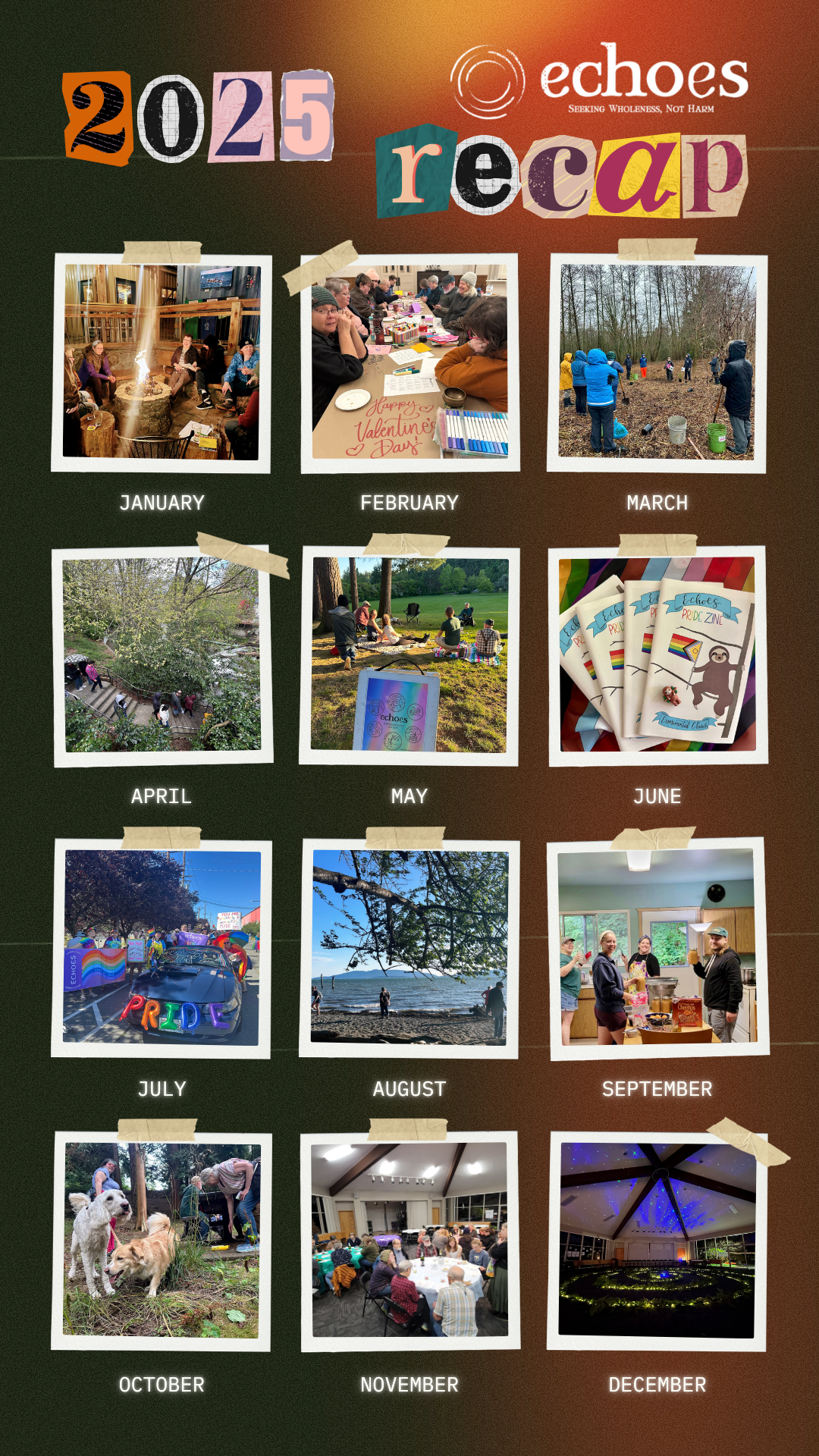
THANK YOU FOR MAKING 2025 FULL!
Full of Laughter, Joy, Prayers, Tears, Fun & Snacks
Echoes enters 2026 with grateful hearts for the community & connections that we had in Bellingham, online and beyond!
2025 BY THE NUMBERS:
60+ Gatherings
4 Food Boxes Filled 12 Times (1 per month @ Dinner Church)
2 Pride Parades Celebrated (Whatcom Youth Pride & Bellingham Pride)
200 Pride Zine Completed & Passed Around
300+ people experimented with Dinner Church Echoes Style @ Synod Assembly
1000+ Jokes Told & Unlimited Laughter
We would love to keep gathering, worshipping, laughing, praying, helping and getting creative in the chaos in 2026.
We can only do it with your help.
Our budget goes through the end of January and we could use your help closing the budget gap and preparing for the coming year.
Consider becoming a monthly donor!
Sponsor a Gathering!
Give one time - in person or online!
Support Echoes in 2026
Whether you worshipped with us at Pub, Wild, Creative, Dinner or Service Churches, you showed up and reminded the world that church can and does happen anywhere people gather.
May we keep gathering so all can know beloved community.